Understanding Student Loan Collections
Navigating the complexities of student loan collections can be daunting. It is crucial to understand the process to tackle any challenges effectively. This guide provides practical information to manage student loan collections efficiently by delving into what collections entail, consequences of defaulting, steps to resolve loans in collections, methods to prevent future defaults, and seeking professional help.
What Are Student Loan Collections?
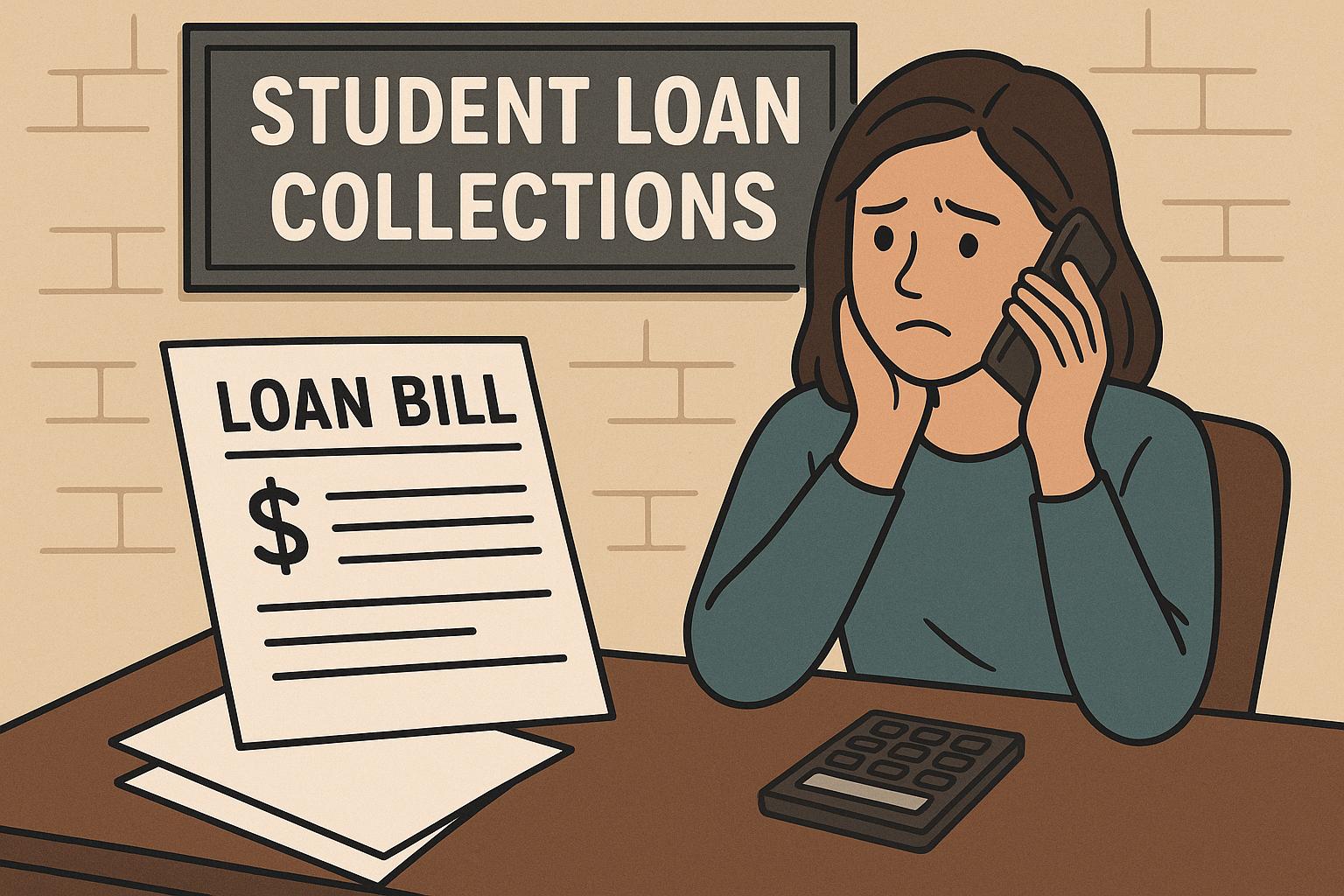
When a borrower defaults on a student loan, the account may be sent to collections. This is a critical stage in the lifecycle of a loan, generally considered the point at which loan management becomes significantly more involved and potentially impactful to a borrower’s financial health. Defaulting typically occurs after 270 days of non-payment for federal loans; however, the timing may vary depending on the type of loan. At the point of default, the original lender or loan servicer may choose to transfer the loan to a collection agency. Collection agencies specialize in recovering funds from delinquent borrowers and employ various strategies and techniques for this purpose.
Consequences of Defaulting
Defaulting on a student loan can lead to several problematic outcomes, and it’s important to be aware of these in order to take corrective actions as soon as possible:
Credit Score Impact: When a borrower defaults, it can significantly damage their credit score. A lower credit score can hinder one’s ability to obtain new credit in the future, whether it’s a credit card, mortgage, or car loan. This happens because defaulting is a clear signal to potential lenders of financial unreliability.
Collection Fees: Another consequence of defaulting is the potential accrual of collection fees. When a loan is sent to collections, additional fees may be imposed on top of the original loan balance, depending on the terms outlined in the loan agreement. This results in an increase in the total amount owed, adding further burden to the borrower.
Wage Garnishment: Particularly concerning for federal student loans is the possibility of wage garnishment. This method allows the government to recover the loan by legally requiring your employer to withhold a portion of your paycheck, directing it towards loan repayment.
Steps to Take If Your Loan Is in Collections
If your loan has entered collections, consider taking decisive steps to remediate the situation and potentially mitigate additional negative impact.
Contact Your Loan Servicer
The initial action should be to reach out to your loan servicer or the collection agency managing your loan. Establishing communication can help clarify your loan status, outstanding obligations, and possible measures to bring the loan out of collections. Discussing these resolution strategies can also help ascertain the best way forward tailored to your individual situation.
Review Your Options
Depending on your financial circumstances, there might be several strategies to help you manage your debt more effectively:
Loan Rehabilitation: One beneficial option is loan rehabilitation. This process requires the borrower to agree to make a series of consecutive, timely payments. Completing this process can bring the loan out of default and, in some cases, remove the default from the borrower’s credit report, significantly improving the credit score and financial outlook.
Loan Consolidation: Another strategy is to consolidate multiple federal loans into one new loan. Loan consolidation might simplify repayment by combining multiple loans into a single monthly payment. Plus, it may allow for a payment plan based on your income, potentially reducing the payment amounts.
Settlement: Occasionally, it may be possible to negotiate a settlement with the loan servicer or collection agency. In these agreements, the borrower pays a lump sum that is often less than the total amount owed. This can be a viable option if you recently came into a larger sum of money or want to quickly clear the debt.
Preventing Future Defaults
Preventing future loan defaults is essential for keeping your financial health intact. Implementing effective preventative measures can ensure stability and confidence in managing your student loans.
Explore Income-Driven Repayment Plans
If you hold federal loans, consider enrolling in an income-driven repayment plan. These plans adjust the monthly payment based on your income and family size, often significantly reducing the monthly payment amount. By ensuring payments are more manageable, these plans can help prevent future defaults.
Stay Informed and Organized
Keeping meticulous records of your loan agreements, payments, and any correspondence with lenders is vital. Regularly reviewing and organizing this information will aid in tracking your progress and staying on top of payments. Consider setting reminders for payment due dates and check-ins with your loan servicer to ensure everything is in order.
Seeking Professional Help
Given the complexity inherent in managing student loans, especially those in collections, professional guidance may offer a strategic advantage. Financial advisors or credit counselors can provide personalized advice, tailored to ensure the best possible outcomes. They have expertise in navigating collection challenges and can offer insights that may not be immediately apparent to borrowers.
For more detailed and specific information, accessing government resources can be immensely beneficial. Consider checking resources available from official government websites such as Federal Student Aid or engaging with a trusted financial advisor to discuss unique financial situations. These resources can offer current information on loan policies, repayment options, and assistance programs, allowing borrowers to make informed decisions regarding their student loans.
By understanding the nuances of student loan collections and proactively addressing potential issues, borrowers can safeguard their financial health and work towards a debt-free future.