Understanding Predatory Debt Collection
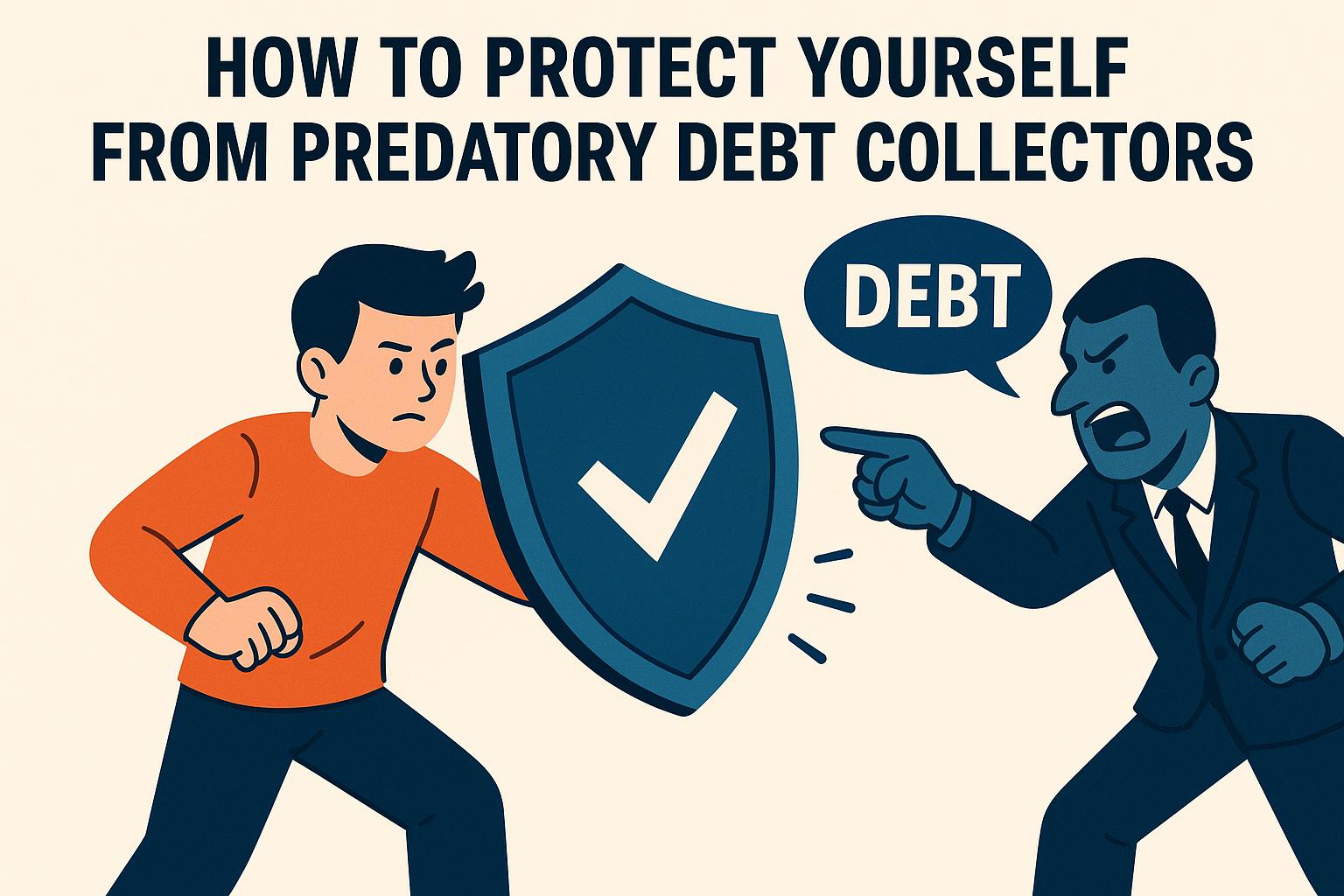
Navigating the world of debt collection can be challenging and stressful, particularly when contending with predatory practices that some debt collectors employ. Predatory debt collection involves techniques that are aggressive, misleading, or even fall outside the boundaries of legality. The goal is often to intimidate and manipulate individuals into repaying debts, sometimes even debts that are not legitimate. Therefore, it is crucial to discern between lawful debt collection and predatory collection tactics.
Know Your Rights
A vital aspect of protecting oneself from predatory debt collectors is to have a clear understanding of your legal rights. These rights are primarily safeguarded by the Fair Debt Collection Practices Act (FDCPA). This federal law is designed to regulate how third-party debt collectors can act, providing a framework for acceptable practices and safeguarding consumer rights.
Key Protections under the FDCPA
Under the FDCPA, several protections are extended to consumers to shield them from unfair treatment.
Communication Restrictions: It’s important to remember that debt collectors are restricted in terms of when they can contact you. They are prohibited from reaching out at times deemed inconvenient, specifically before 8 a.m. or after 9 p.m., unless you explicitly consent to it.
Harassment and Abuse: The use of threats, obscene language, or repetitive phone calls with the intent to annoy or harass is strictly forbidden. This provision ensures that collectors must maintain a respectful and professional manner.
False Representation: Debt collectors need to communicate truthfully about the debt they are tasked with collecting. This means they cannot falsely present themselves as government officials or attorneys if they are not. It ensures transparency and prevents misleading practices.
Verify the Debt
Verifying the legitimacy of a debt is a crucial step when dealing with debt collectors. Predatory collectors might attempt to collect debts that are not owed, have already been paid, or are no longer legally collectible due to the expiration of the statute of limitations in your state.
Steps to Verify a Debt
When initially contacted by a debt collector, you have the right to request a written validation notice. This notice should clarify:
1. The amount of debt owed.
2. The creditor’s name.
3. A statement that confirms your right to dispute the debt within a specific timeframe.
If this information is not provided, the debt collector is obliged to halt collection attempts until a proper verification of the debt can be furnished.
Dispute the Debt
Should you doubt the accuracy of the debt, you possess the right to dispute it. This must be done within 30 days following the receipt of the validation notice. During this dispute period, the collector is required to suspend collection activities until proper verification is provided.
How to Dispute
To dispute a debt, you should send a letter to the collection agency, articulating the dispute clearly and requesting verification. It’s prudent to include copies of any pertinent documents. Retain a copy of this letter for your files, and consider sending the letter via certified mail with a return receipt; this provides you with proof of receipt, ensuring that your actions are documented.
Cease and Desist Communication
If communications from debt collectors become overwhelming, you have the option to request a cessation of contact. This involves crafting a formal letter requesting them to stop reaching out to you. While this halts direct communication—except in specific circumstances like notifying you of legal actions—it does not nullify your responsibility to pay the debt.
Explore Your Options
When managing debt, it is essential to explore available options comprehensively to make informed decisions.
Debt Management and Settlement
One option to consider is engaging the services of a credit counselor. Such professionals can assist in negotiating with creditors to formulate a manageable repayment scheme. Conversely, debt settlement could be an avenue worth exploring; however, it’s important to be aware that it might adversely affect your credit score.
Legal Assistance
If you suspect that a debt collector has infringed the FDCPA, you have the recourse to file a complaint with federal bodies such as the Federal Trade Commission or the Consumer Financial Protection Bureau. Additionally, seeking out a lawyer specializing in consumer rights can help clarify your situation and decide on a course of action, particularly if litigation is being considered.
Conclusion
Guarding oneself against predatory debt collectors requires a proactive approach, grounded knowledge of one’s rights, thorough validation of debts, and readiness to counter unlawful tactics. Through remaining informed and utilizing available resources effectively, individuals can undertake the debt collection process with more confidence and security, effectively protecting their financial wellbeing.