Understanding Forgotten Debts
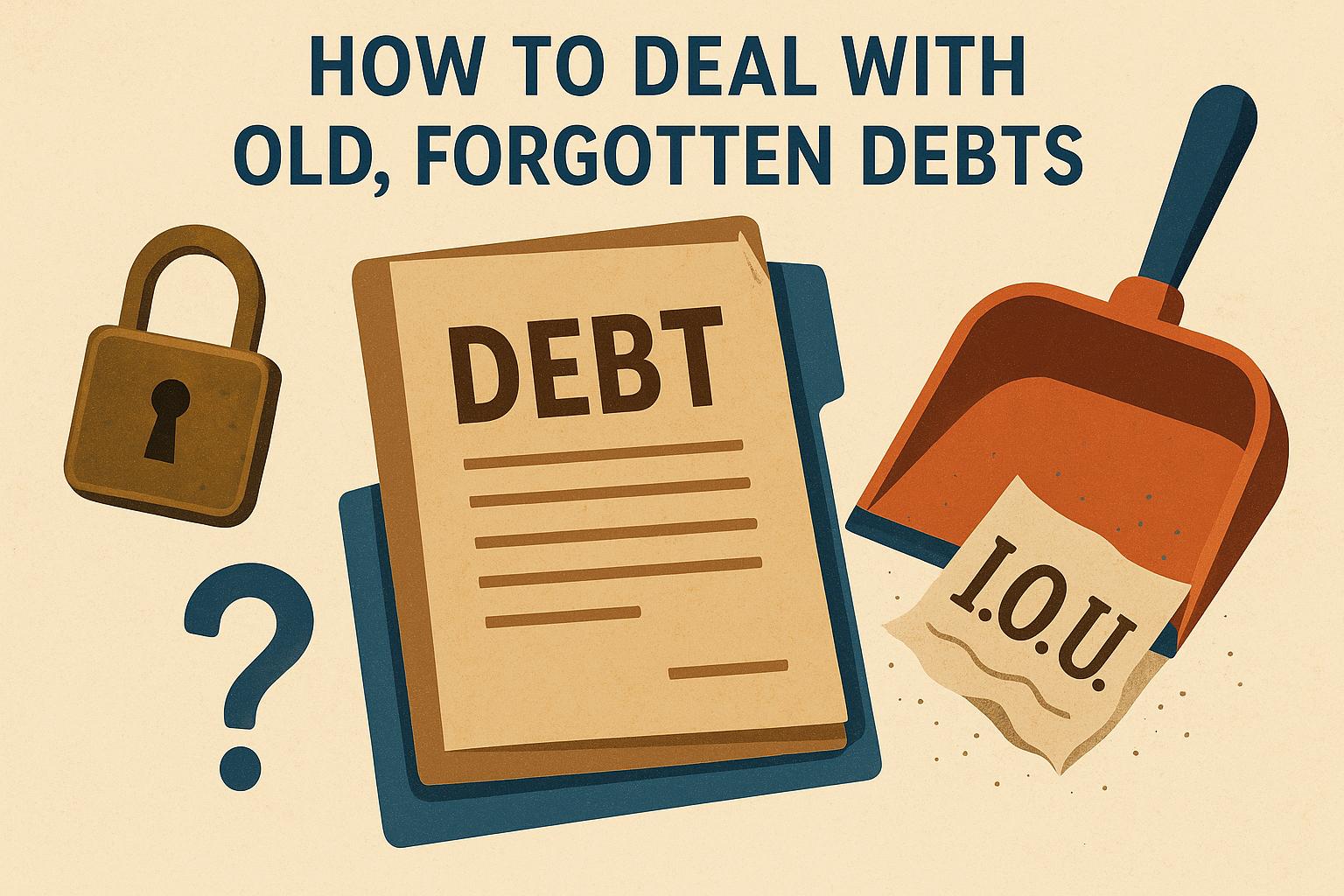
Old debts that have slipped from your memory can reappear at inconvenient times and often bring with them a host of challenges, such as stress and unplanned financial burdens. It’s important to tackle these debts with a strategic and informed approach to cushion the impact on your finances. Here’s how you can navigate this often complicated terrain effectively.
Reviewing Your Credit Report
One of the primary steps in managing forgotten debts is to delve into your credit report. This crucial document offers a detailed snapshot of your current financial obligations, detailing the status of debts both present and past. Accessing your credit report is straightforward: you’re entitled to a free copy from each of the three main credit reporting agencies annually, which you can obtain through AnnualCreditReport.com. Upon acquiring your report, it’s essential to meticulously verify its accuracy. Simple errors can escalate into exaggerated debt figures. Ensuring the integrity of your credit report can preempt misunderstandings and provide a clear perspective on your commitments.
Validating the Debt
Once an old debt has been identified, the subsequent step involves validating it. This is a critical process: you need to confirm both the legitimacy of the debt and your responsibility for it. Legally, debt collectors must supply proof of the debt upon your request. Sending a written inquiry for this verification not only helps in understanding your own liabilities but also safeguards against potential scams or wrongful claims. Being armed with this knowledge empowers you to confront the debt with clarity and assurance.
Understanding the Statute of Limitations
Each state has its own statute of limitations on debt, a legal term defining the period a creditor has to initiate a lawsuit for debt payment. If your debt has surpassed this time frame—meaning it’s “time-barred”—you typically aren’t legally obligated to pay. However, take caution: any acknowledgement or payment of the debt might reset this period. As such, proceed with informed caution. Consulting with a financial advisor or attorney who can provide specific state-related guidance can be invaluable in this context. Their expertise will enable you to make knowledgeable decisions without unwittingly reinstating obligations.
Negotiating a Settlement
For valid debts that fall within the statute of limitations period, negotiating a settlement may be a viable path. Engaging with the creditor or collection agency could lead to an agreement where the debt is settled for less than the full amount. Such negotiations can often be more successful when communicating directly with the creditor instead of the collection agency, potentially yielding more favorable terms. Secure any settlement agreement in writing before proceeding with payment. This documentation will protect both parties by clearly outlining the terms and minimizing disputes.
Seeking Professional Guidance
When dealing with multiple creditors or substantial debt amounts, the complexity grows, necessitating professional guidance. Financial advisors and credit counselors can provide tailored insights into debt management strategies that align with your specific circumstances. They assist in developing a structured approach towards managing debts and suggest practical methods to prevent future financial distress. With skilled professionals by your side, you’re better positioned to tackle forgotten debts with logic and careful planning.
Implementing a Financial Plan
Creating and adhering to a robust financial plan is instrumental in preventing similar situations in the foreseeable future. This comprehensive strategy should emphasize budgeting, cultivating emergency savings, and ensuring regular checks of your credit report. Such a proactive method promotes financial stability, reducing the probability of debts going unnoticed or unmanaged. By consciously observing financial disciplines, you shield yourself from potential pitfalls and foster a sustainable financial environment.
In conclusion, addressing outdated and forgotten debts requires a methodical and informed approach. By following the above strategies, you can manage these debts effectively, safeguarding your financial health and tranquility. The right tools and mindset equip you to convert what might seem a daunting task into a structured journey towards financial clarity and security.