
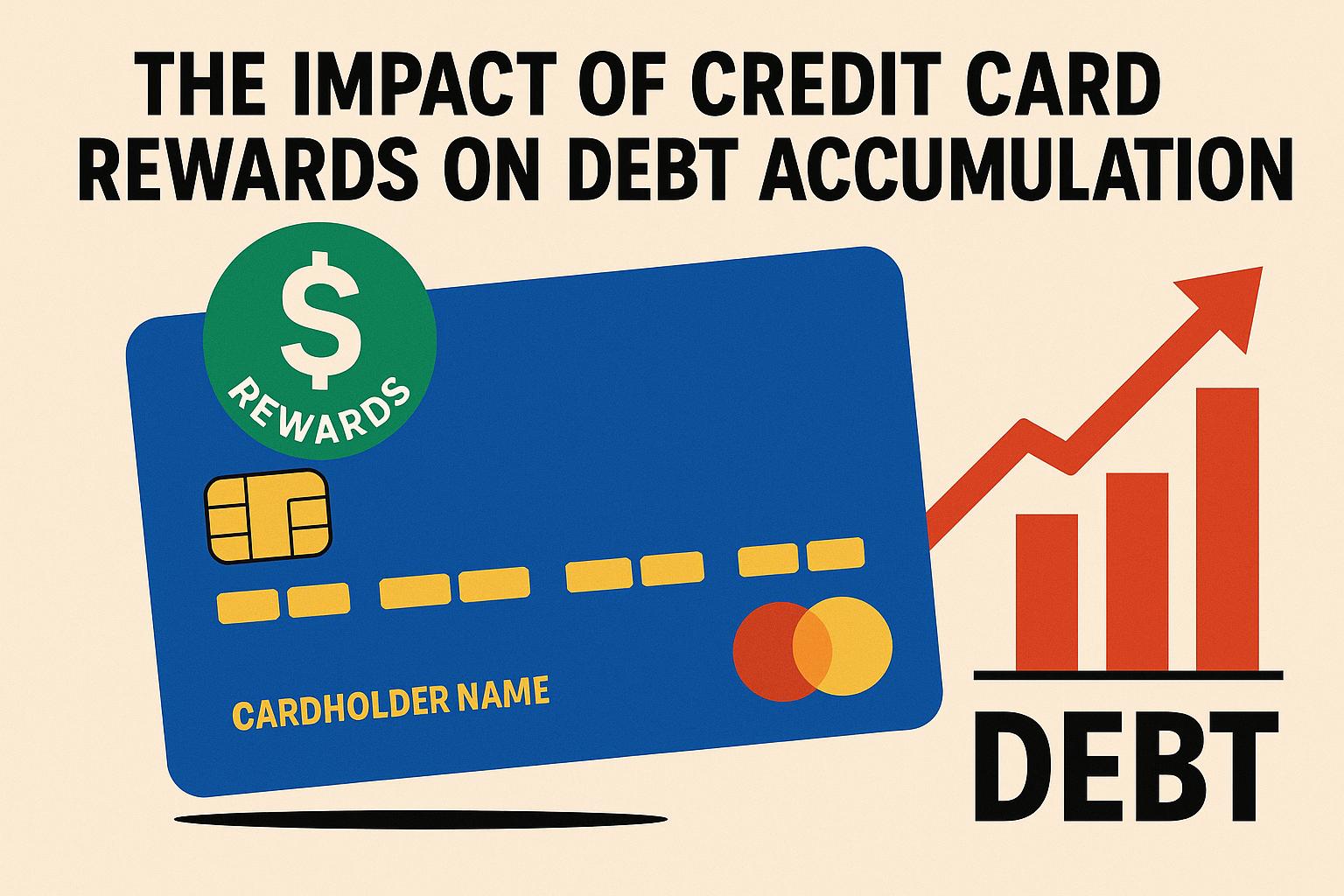
The Relationship Between Credit Card Rewards and Debt Accumulation
Credit card rewards programs have increasingly become a staple in modern financial management, offering enticing incentives for consumers to opt for credit cards over other traditional payment methods like cash or debit cards. These rewards usually manifest as cashback, points, or travel miles, creating a seemingly practical justification for using credit cards for everyday purchases. Although these incentives are appealing, it is essential to thoroughly examine the impact these rewards programs can have on debt accumulation. Understanding this dynamic is key to making informed financial choices.
Psychological Impact of Rewards
The effect of rewards on consumer psychology is a compelling aspect of credit card programs. Consumers often feel they are receiving additional benefits when they get something in return, like *cashback* or *reward points*, for their expenditure. This psychological tendency, which can be termed the *reward-perception effect*, can lead individuals to indulge in purchases that they might not consider if not for the perceived rewards. This behavior can result in increased credit card balances. Over time, these balances may remain unpaid, thereby contributing significantly to consumer debt. Recognizing and addressing these psychological triggers is fundamental for consumers aiming to maintain a healthy financial standing.
Overspending and Reward Maximization
An interesting phenomenon rising from credit card rewards is the conscious strategy of some consumers to maximize these benefits by ramping up their spending. On the surface, this approach appears beneficial since more spending can lead to more rewards. However, this thought process often eclipses the reality of the costs incurred. When cardholders justify expenditures by concentrating on the rewards rather than the actual expense, they may fall into a pattern of excessive spending. This practice invariably leads to an increase in credit card debt, which can be detrimental to long-term financial health. It is crucial for consumers to critically evaluate their spending behaviors and financial strategies to avoid such pitfalls.
The Balance Between Rewards and Debt
While rewards can indeed offer tangible benefits, it is vital to strike a balance between enjoying these perks and effectively managing potential debt. Here are several considerations for credit cardholders to keep in mind for achieving equilibrium:
1. Timely Payments: It is advisable to pay the full balance each month. This practice prevents the accrual of interest charges, which can outweigh and thus nullify the value of any earned rewards.
2. Spending Limits: Establishing realistic spending limits and meticulously tracking expenses can ensure they are within one’s financial capacity. This practice not only helps in managing finances effectively but also prevents impulsive buying motivated by rewards.
3. Card Selection: Opt for credit cards with rewards that align closely with personal spending patterns. Doing so maximizes the benefits while keeping spending in check. Understanding the type of purchases that earn the most rewards based on a cardholder’s lifestyle and spending habits helps in making optimal card selections.
Financial Literacy and Responsible Use
Financial literacy is an indispensable tool in counteracting the adverse effects that credit card rewards might have on debt. By attaining a comprehensive understanding of how credit card terms, interest rates, and rewards systems function, consumers are better equipped to make judicious decisions regarding their spending. Effective financial education empowers individuals to steer clear of common pitfalls associated with credit card usage. Organizations dedicated to promoting financial literacy serve an instrumental purpose in equipping consumers with the necessary knowledge and skills. For those seeking more information on how to handle credit responsibly, a visit to this FTC resource on credit education can be beneficial.
In summary, although credit card rewards possess the potential to offer considerable benefits, they necessitate a responsible approach to usage to avert unwarranted debt accumulation. Through conscious management and an informed understanding of personal finances, consumers can relish the advantages of rewards while preserving a state of financial well-being. Achieving this balance and maintaining fiscal responsibility ensures that the perks of credit card utilization enhance rather than undermine financial stability.