Understanding the Fundamentals of Debt
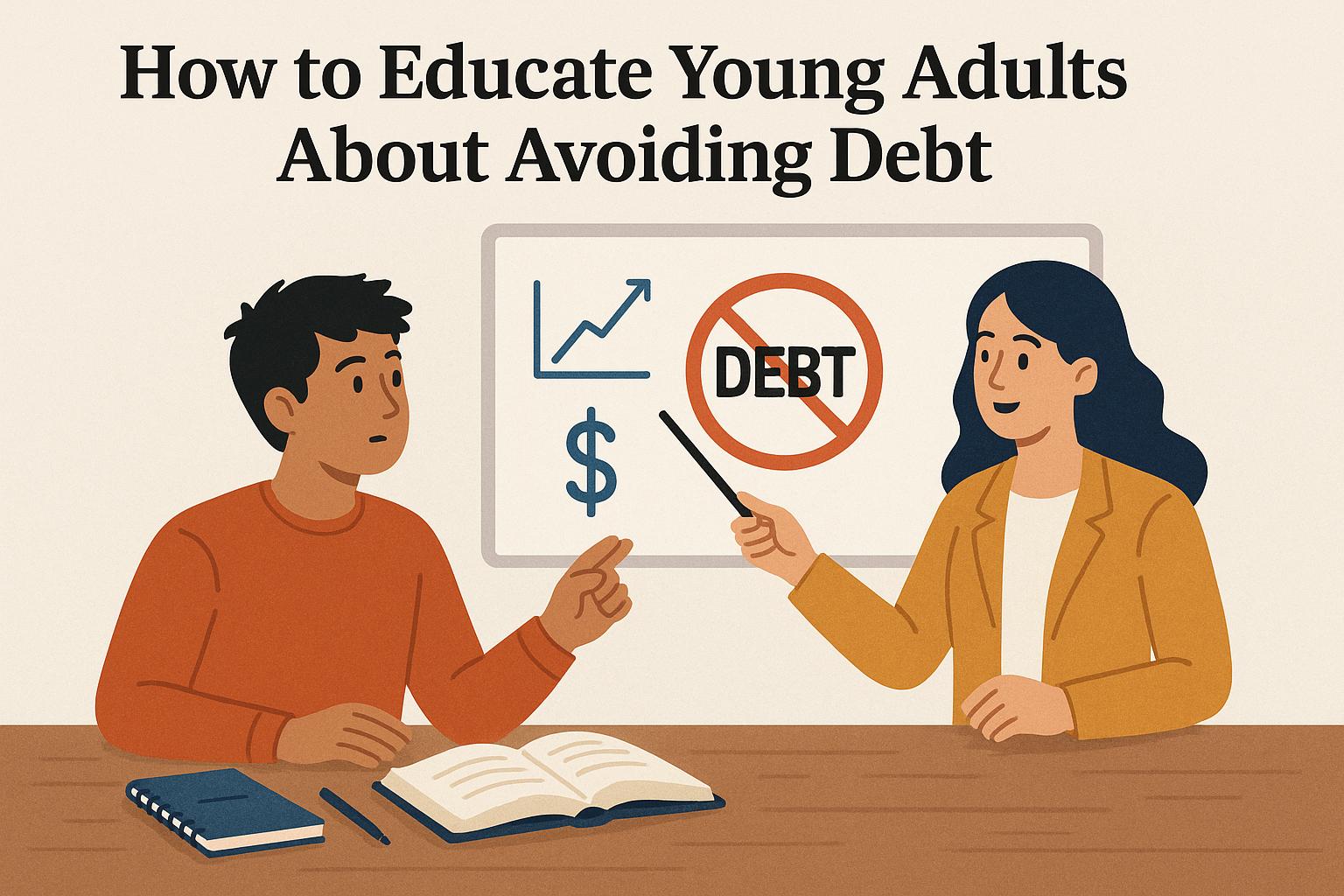
Educating young adults about avoiding debt is crucial for their financial well-being. It begins with understanding what debt is. Debt occurs when money is borrowed and is typically accompanied by the condition that it will be repaid, often with interest. Interest is the cost of borrowing money, which can compound over time, making debts larger and more difficult to repay. Understanding and managing debt from a young age can help prevent a cycle of financial challenges.
The Importance of Financial Literacy
Financial literacy is a key component in helping young adults manage their money effectively. It includes understanding budgeting, savings, investments, and the implications of taking on debt. Enhancing financial literacy can empower young people to make informed choices and avoid unnecessary debts. By having a clear grasp of financial concepts, they can make smarter decisions, recognizing when to save and when to spend.
Budgeting: A Foundation for Financial Health
Creating a budget is a critical step for anyone aiming to avoid debt. A budget helps individuals track their income and expenses, ensuring they live within their means. Encourage young adults to list their monthly income and essential expenses such as rent, utilities, and groceries. Account for any recurring payments and adjust spending to avoid living paycheck to paycheck. Anything left should be considered for saving or discretionary spending. A well-structured budget is the backbone of financial stability, offering a clear roadmap for managing finances effectively.
The Role of Savings
Building a savings cushion is another powerful strategy to avoid falling into debt. Encourage young adults to set up an emergency fund for unexpected expenses, which can prevent reliance on credit cards or loans. A practical guideline is to aim for three to six months’ worth of expenses saved. This provides a buffer against unforeseen events such as medical emergencies or job loss, allowing individuals to manage crises without resorting to borrowing.
Understanding Credit and Its Impact
Young adults should be aware of how credit functions. Credit scores play a significant role in determining loan eligibility and interest rates. Highlight the importance of maintaining a good credit score by paying bills on time and minimizing outstanding debt. Understanding the mechanics of credit scoring can demystify the process and encourage responsible credit use. By being mindful of their financial behavior, young individuals can safeguard their creditworthiness.
Risks of Credit Cards
Credit cards can be both a useful tool and a source of financial trouble. Young adults should learn the risks associated with using credit cards, such as high-interest rates and the temptation to overspend. Educate them on the benefits of paying off their credit card balance in full each month to avoid racking up significant interest charges. Responsible credit card usage can also help in building a favorable credit history.
Understanding Loan Terms
Before taking any loans, it’s vital to understand the terms. Explain the differences between secured and unsecured loans, and what annual percentage rates (APR) mean for borrowers. The distinction between the two types of loans can significantly affect financial outcomes. Encourage young adults to thoroughly read loan agreements and ask questions before signing anything. Informed borrowing can result in manageable debt burdens, fostering long-term financial health.
Avoiding Impulse Purchases
Young adults often face peer pressure to maintain a certain lifestyle, which can lead to unnecessary purchases and debt accumulation. Encourage them to differentiate between needs and wants, and to delay gratification by saving for larger purchases instead of buying impulsively. Learning to say “no” to impulse buying can contribute significantly to financial security.
Developing Healthy Financial Habits
Finally, promoting the development of healthy financial habits is paramount. Encourage young adults to regularly review their financial status, set realistic financial goals, and seek advice when needed. Regular financial check-ups can help in identifying potential problems before they escalate. There are various resources available for those seeking more information on financial management, such as NerdWallet or local financial literacy workshops. These tools can offer personalized advice and practical tips for managing money.
Teaching young adults these principles can lay the groundwork for a financially stable future, reducing the chance of falling into debt. By understanding the intricacies of debt, practicing budgeting, saving diligently, and using credit wisely, they can secure a sound financial foundation. As these habits become a part of their daily lives, young individuals will be better prepared to navigate the complexities of personal finance, making choices that support their long-term financial goals. It’s through education and proactive management that financial challenges can be effectively addressed, paving the way for a prosperous future.