Understanding Third-Party Debt Collectors
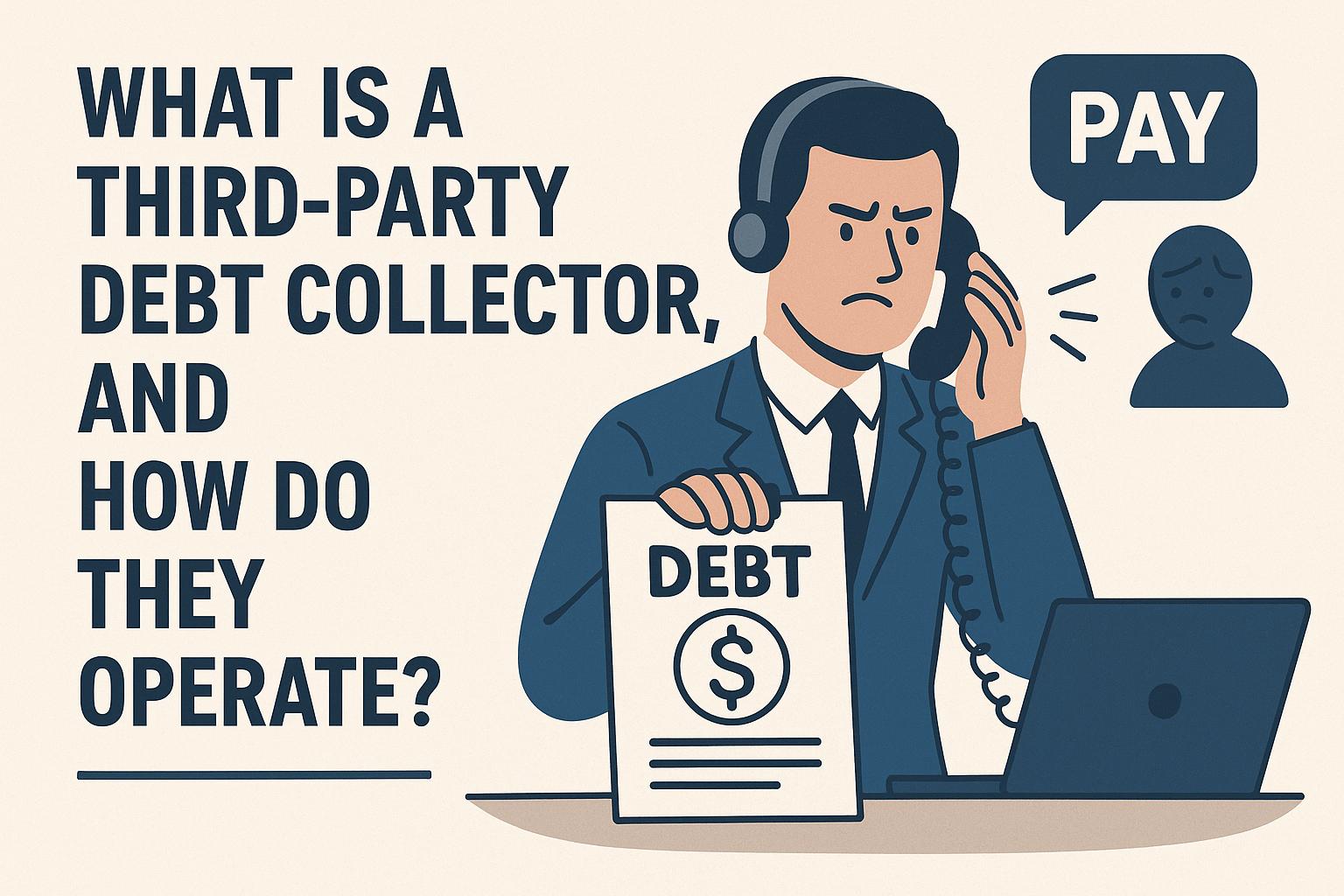
A third-party debt collector is a company or agency that is contracted to recover debts on behalf of another entity, typically creditors like banks, credit card companies, or medical facilities. These debt collectors are not the original lenders but work to recover unpaid debts, usually for a percentage of the collected amount or a flat fee. In the modern financial landscape, third-party debt collectors play a critical role by providing services that allow original creditors to focus on their core business activities while ensuring debts are collected efficiently.
How Third-Party Debt Collectors Operate
The operation of third-party debt collectors is structured around specific practices and strategies designed to maximize the recovery of unpaid debts. Their involvement begins when an original creditor decides it’s time to outsource the collection activities. This typically occurs after the creditor has made several attempts to recover the debt in-house without success.
Acquisition of Debt
Debt acquisition is a primary mode through which third-party debt collectors obtain the rights to collect on overdue accounts. Debt collectors often purchase debts for a fraction of their face value. This means if a debtor owes $1,000, the collection agency might buy that debt for a much smaller sum. This model allows agencies the potential to make a profit once they successfully collect the full amount owed. The purchase of debt shifts the responsibility of collection to the agency, thus transforming them into the legal owner of the debt, although their methods must still comply with legal standards.
Debt Recovery Process
Once a debt is acquired or outsourced, the collection process involves attempts to recover the outstanding debt from the debtor. This can include sending letters, making phone calls, or negotiating payment plans. Debt collectors are required to operate in compliance with the Fair Debt Collection Practices Act (FDCPA) in the United States, which outlines acceptable practices and protects consumers from aggressive collection tactics. This legislation restricts the behavior and methods used by debt collectors, ensuring that debtors are treated fairly.
Communication Guidelines
Under the FDCPA, there are strict rules governing how and when a debt collector can contact a debtor. For example, they cannot call before 8 a.m. or after 9 p.m. unless consent has been given by the debtor to do so. Harassment or the use of abusive language is strictly prohibited, ensuring a level of respect and fairness during the communication process. Maintaining a professional standard in all interactions is not only legally mandated but is also essential for cultivating a constructive engagement with the debtor.
Verification and Disputes
Debtors have the right to request verification of the debt. Upon receiving a written request, the collector must provide documentation that verifies the legitimacy of the debt within a reasonable time frame. This step in the process helps to minimize errors, such as mistaken identity or miscalculated amounts, which could lead to disputes. Debtors can also dispute debts if they believe there has been an error. Such disputes require the collector to cease collection activities until they furnish evidence substantiating the claim, thereby protecting the debtor’s rights and enabling fair resolution.
Legal Recourse and Limitations
If collection efforts fall short, collectors may choose to pursue legal action. This involves formal procedures such as filing a lawsuit to obtain a court judgment against the debtor. It is important, however, for collection agencies to consider the statute of limitations applicable to the debt, which can vary by state, as this dictates the timeline within which legal action can be initiated. If successful in court, the collector can potentially garnish wages or place liens on property. It is crucial for debtors to be aware of their rights throughout this process, as knowing these can affect the outcomes significantly.
Choosing a Collection Agency
Creditors typically select collection agencies known for ethical practices and successful recovery rates. The reputation and compliance with industry regulations are crucial factors to consider when selecting an agency. Quality collection agencies not only abide by industry standards but also prioritize maintaining the creditor’s public image by conducting themselves professionally. They should have transparent practices and a record of handling debts efficiently without resorting to aggressive or unethical means.
Conclusion
Third-party debt collectors play a significant role in the financial ecosystem by recovering unpaid debts. Their operation involves strategic debt acquisition and the implementation of a legally compliant recovery process. Understanding how they operate, along with the laws governing their actions, is essential for both creditors and debtors. Recognizing the balance between effective debt recovery and consumer rights is crucial for navigating the complex landscape of debt collection. For more detailed information on your rights and obligations when dealing with debt collectors, consulting legal guidelines or regulatory resources can be beneficial. Making informed decisions based on comprehensive understanding will contribute to better management of debt-related issues.