Understanding the Debt Spiral
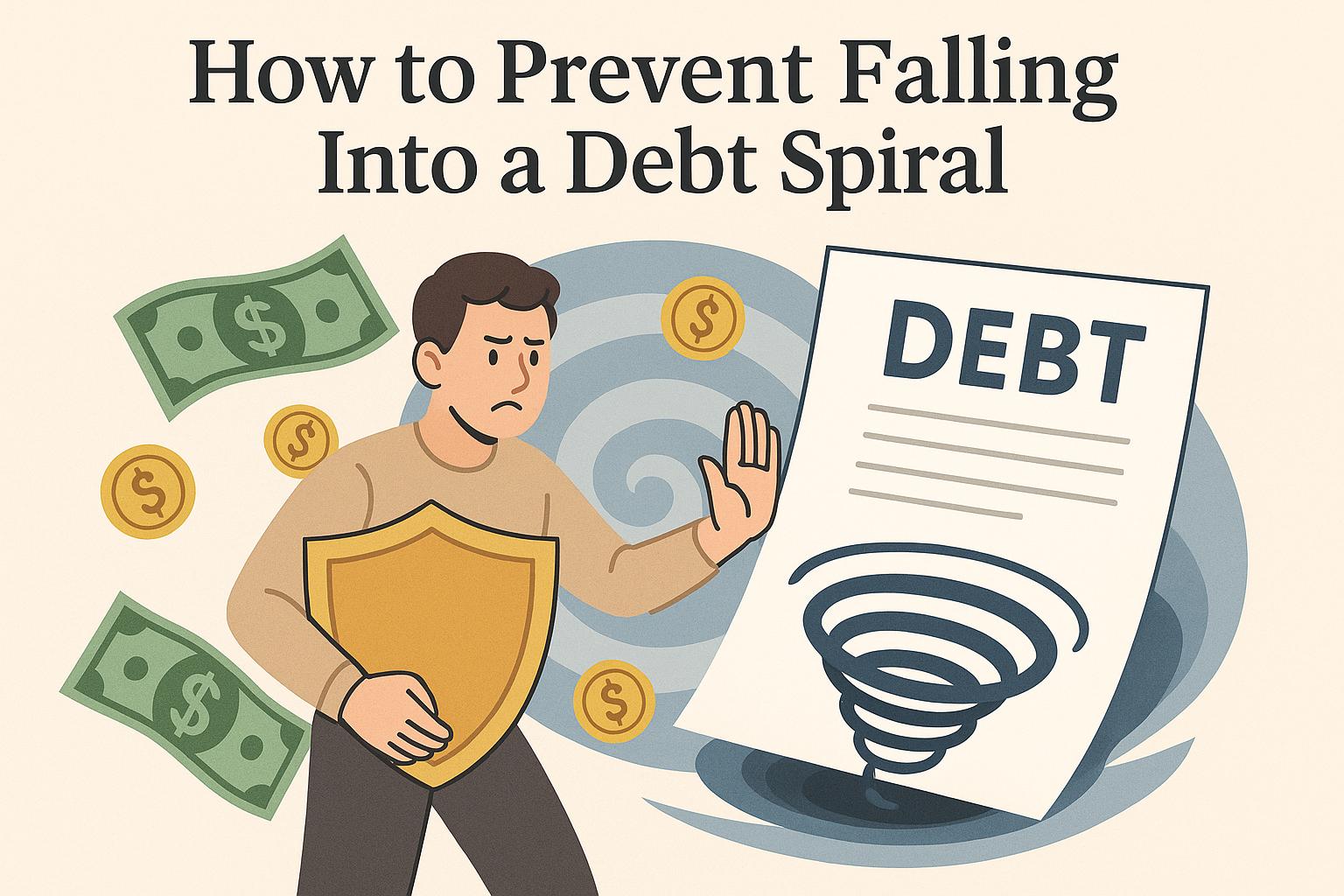
A debt spiral represents a critical financial situation in which individuals or entities find themselves trapped in a continuous cycle of borrowing to meet existing obligations. This scenario often leads to mounting financial distress and a possible decline in creditworthiness. Gaining insights into the mechanics of a debt spiral is crucial for implementing effective prevention strategies.
Assessing Your Financial Situation
An essential step in circumventing a debt spiral is to conduct a thorough assessment of your current financial standing. Begin by meticulously reviewing all sources of income against your ongoing expenses to ascertain your net income.
Utilizing a detailed budgeting approach offers clarity on your spending patterns, thus enabling you to identify areas ripe for reduction. Understanding your financial landscape is imperative to ward off unneeded debt accumulation.
Managing and Tracking Expenses
Upon establishing a budget, diligent tracking of expenditures becomes paramount. Employing budgeting tools or spreadsheets to log daily transactions is beneficial. This practice fosters financial discipline and affords real-time insights into your financial behavior.
By keeping a vigilant eye on expenses, you effectively minimize the necessity of relying on credit for day-to-day transactions.
Prioritizing High-Interest Debt
Focusing on high-interest obligations, such as those resulting from credit card use, is a critical strategy. Such debts can rapidly accumulate, further complicating their management. Emphasize repayment of more than the minimum required on these high-interest debts. This approach aids in reducing the principal swiftly, consequently decreasing the interest accrued over time.
Building an Emergency Fund
The establishment of an emergency fund is critical in forestalling reliance on credit during unexpected circumstances. A reserve of funds acts as a safety net, allowing you to navigate unforeseen financial disruptions without borrowing. Target saving between three to six months’ worth of living expenses to buffer against potential financial disturbances.
Avoiding New Unnecessary Debts
A fundamental tactic to avert a debt spiral encompasses refraining from accruing new debts unless absolutely necessary. Prior to committing to any significant financial undertaking, scrutinize your current liabilities to evaluate whether additional debt could impose undue pressure on your finances.
Establishing Financial Goals
Defining clear and feasible financial goals is vital in maintaining disciplined financial management. Whether it involves saving for a new home, vehicle, or future retirement, having specific targets directs your spending and saving patterns.
Document these goals and consistently review them to monitor your progress, making adjustments as needed to remain aligned with your objectives.
Consulting Financial Experts
If the intricacies of debt and financial management become overwhelmingly complex, seeking counsel from financial advisors can be invaluable. Financial experts provide tailored strategies to bolster your financial wellbeing.
They can assist in negotiating with creditors and crafting plans aimed at restoring fiscal stability.
Utilizing Resources Wisely
Staying abreast of financial products and strategies through trusted sources is advantageous. A wealth of resources, including government and financial institution websites, offer practical guidance on money management. Delve into these resources to augment financial literacy and empower yourself to make informed financial choices.
Preventing a debt spiral necessitates vigilance and a proactive stance towards financial management. By engaging in mindful expense management, prioritizing debt reduction, and cultivating financial resilience, individuals can effectively shield themselves from the financial challenges inherent to spiraling debt.