Understanding a Consumer Proposal
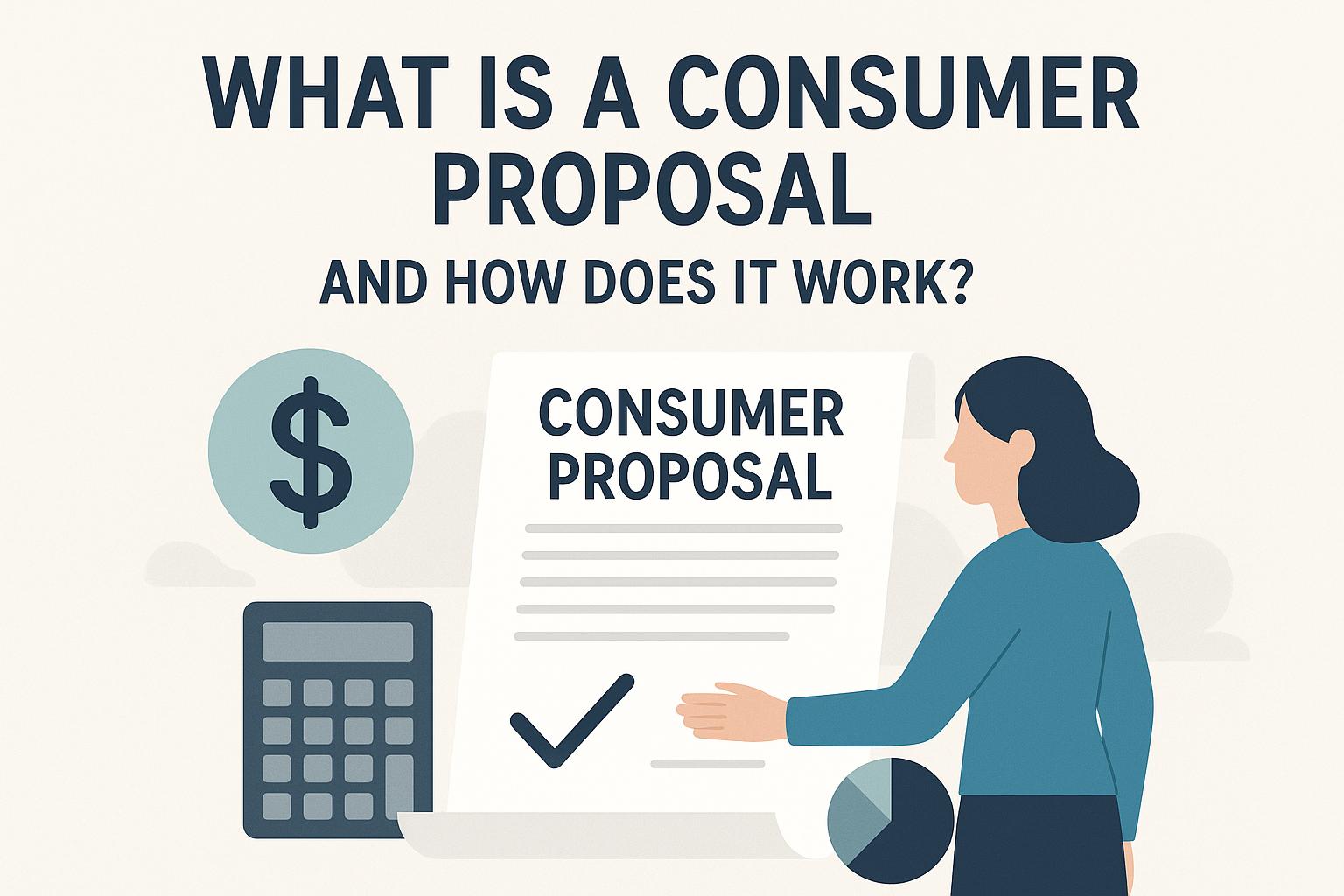
A consumer proposal is a formal, legally binding process available in Canada designed to help individuals settle their debts with creditors under a structured agreement. It serves as an alternative to bankruptcy, offering individuals a feasible option to tackle significant unsecured debt issues. The procedure involves collaboration with a licensed insolvency trustee (LIT), who negotiates the terms with creditors. The negotiation generally involves offering to repay a portion of the total owed amount over an extended period.
Who Can File a Consumer Proposal?
To qualify for a consumer proposal, certain conditions must be met. Primarily, the applicant’s total unsecured debt—including credit cards, personal loans, and other similar obligations—must not exceed CAD 250,000. Secured debts such as mortgages or car loans are not included in this calculation. Additionally, consumer proposals are exclusively available to individuals rather than businesses, providing personal financial restructuring solutions rather than corporate ones.
The Process of Filing a Consumer Proposal
To initiate the process, an individual must first consult with a licensed insolvency trustee. The LIT’s role involves assessing the individual’s financial situation and evaluating whether a consumer proposal is the most suitable option. If considered appropriate, the trustee drafts a proposal detailing proposed repayment terms, which are then presented to the creditors.
Subsequently, the draft consumer proposal is filed with the Office of the Superintendent of Bankruptcy (OSB). At this stage, any legal actions that creditors might have initiated to recover debts, such as wage garnishments, are put on hold temporarily. Creditors then have a 45-day window to either accept or reject the proposal. If creditors representing more than half of the total debt, as determined by the dollar amount owed, accept the proposal, it is deemed approved. This approval legally binds all unsecured creditors to the terms of the proposal.
Benefits of a Consumer Proposal
Among the primary benefits of opting for a consumer proposal is the ability for individuals to retain their assets. Contrary to bankruptcy, individuals undergoing this process are not mandated to surrender their assets such as homes or vehicles, provided they continue to meet payment obligations on these secured debts. This retention of assets offers significant relief and stability for individuals keen on maintaining their current living conditions and property ownership.
Furthermore, consumer proposals often lead to a reduction in the total payable amount. By extending the repayment period to a maximum of five years, individuals benefit from reduced monthly financial burdens, enabling them to manage their obligations more effectively.
Another notable advantage concerns individuals’ credit reports. The notation of a consumer proposal on a credit report persists for a notably lesser duration than a bankruptcy filing. Typically, a consumer proposal is expunged from one’s credit report three years after completion of payment obligations or six years from the filing date, whichever occurs first, offering a relatively quicker route to restoring one’s credit standing.
Considerations and Drawbacks
Despite its advantages, the consumer proposal route is not without limitations. The primary requirement for the proposal to materialize is creditor approval. Without this, the proposal cannot proceed, emphasizing the importance of creditor cooperation and negotiation.
Additionally, consumer proposals affect your credit rating. They are viewed as a significant derogatory record within your credit file, potentially impeding future credit opportunities or subjecting you to higher interest rates.
It is crucial to be aware of the financial commitment a consumer proposal demands. While it provides a comprehensive framework for debt reduction, it necessitates consistent and long-term adherence to a payment schedule. Failure to make timely payments can result in the annulment of the proposal, potentially reinstating the obligation to address the full debt amount, thereby reversing the financial relief initially obtained.
For individuals seeking more information and resources on consumer proposals and other financial solutions, consulting resources managed by Canadian financial professionals is advisable. These platforms offer extensive guidance and updates on the current regulatory landscape surrounding insolvency solutions, equipping individuals with the required knowledge to make informed financial decisions.