Understanding Your Financial Situation
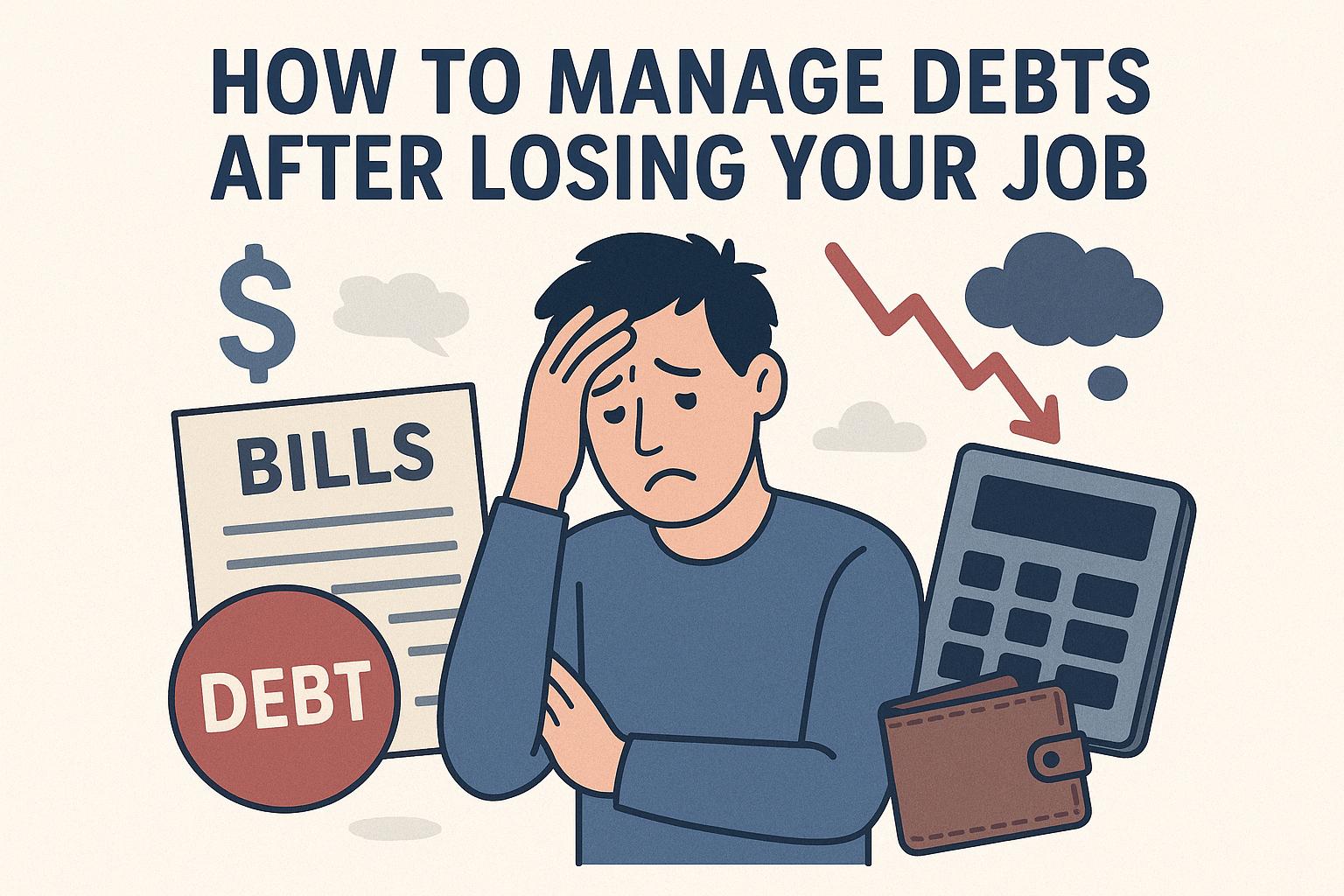
Losing a job is one of the most stressful experiences a person can encounter. When employment ends unexpectedly, the uncertainty surrounding income can be particularly daunting. For those with existing debts, the pressure can feel even more overwhelming. In managing this situation effectively, it’s crucial to first gain a clear understanding of your current financial status. Assessing your monetary resources involves accounting for all available funds. This includes evaluating your savings and any severance pay received from your previous employer. Multiple variables, such as your expenses and any income from other sources, must also be factored into the equation to gain a comprehensive view.
Create a New Budget
Once you’re armed with a clear picture of your finances, the next step is to draft a new budget that reflects your current circumstances. Begin the process by methodically listing each of your monthly expenses. It’s vital to focus on essential expenditures including housing, utilities, groceries, and insurance premiums. This approach ensures that your basic needs will be covered. The information gathered should then be compared to your available funds to help determine how long your resources are likely to last. A well-crafted budget serves as a roadmap, guiding you towards better financial management during tough times.
Identify and Prioritize Debts
After outlining your budget, it’s time to turn your attention to your debts. Begin by compiling a comprehensive list of all existing financial obligations. This list will typically include credit cards, personal loans, and any other debts owed. By organizing and categorizing each debt, you can more easily prioritize them. Generally, financial advisors recommend tackling debts with the highest interest rates first. This tactic can minimize the long-term financial impact by reducing the overall interest paid over time.
Contact Creditors
One of the most proactive steps you can take during this time is to communicate with your creditors. Open, honest communication about your employment situation can sometimes pave the way for beneficial adjustments. Reach out and explain your circumstances; inquire about potential assistance or modifications to your current payment plans. It is not uncommon for creditors to offer temporary solutions such as forbearance, reduced interest rates, or extended payment deadlines, which can provide much-needed relief.
Explore Income Options
While diligently managing your debts, don’t overlook the importance of identifying new income opportunities. Evaluating potential sources of income not only offers temporary financial relief but can also alleviate some of the psychological stress associated with unemployment. Look into part-time positions, freelance work, or projects that capitalize on your unique skills and experience. Such undertakings can act as a financial cushion while you search for more stable, long-term employment opportunities.
Seek Professional Financial Advice
Consider making an appointment with a financial advisor or connecting with a reputable credit counseling organization. These financial experts are uniquely qualified to provide personalized strategies and insights for managing debt effectively, especially during periods of unemployment. They can assess your current financial landscape and develop tailored recommendations that address your specific needs and goals.
Utilize Government and Community Resources
Another avenue to consider is the various government and community resources available. Investigate options that offer support during unemployment, as many are designed specifically to alleviate financial burdens. These resources may include unemployment insurance benefits, food assistance programs, and housing support initiatives. Engaging with these support networks can significantly reduce financial strain and allow you to focus on finding new employment opportunities.
Maintain Communication and Review Regularly
Continuous monitoring of your financial situation is crucial for effective debt management. As circumstances evolve, regularly reviewing your position allows you to make informed adjustments to your plans as needed. Keep an open dialogue with creditors and be prepared to renegotiate terms if your situation changes. Being adaptable and maintaining transparency can lead to more favorable arrangements. Establishing a habit of regularly reviewing and updating your financial strategies will help ensure that you remain on track toward achieving your financial goals.
Overall, facing unemployment is no easy feat, particularly when debts are involved. However, by following these steps and maintaining a clear, organized approach to your finances, you can more effectively manage debt after losing a job. Understanding each component of your financial situation, from income to expenses and debts, lays a foundation for better financial decision-making. By staying proactive, seeking external support when needed, and remaining flexible, you can navigate the complexities of debt management during a challenging period and move toward greater financial stability.