Understanding Your Debt
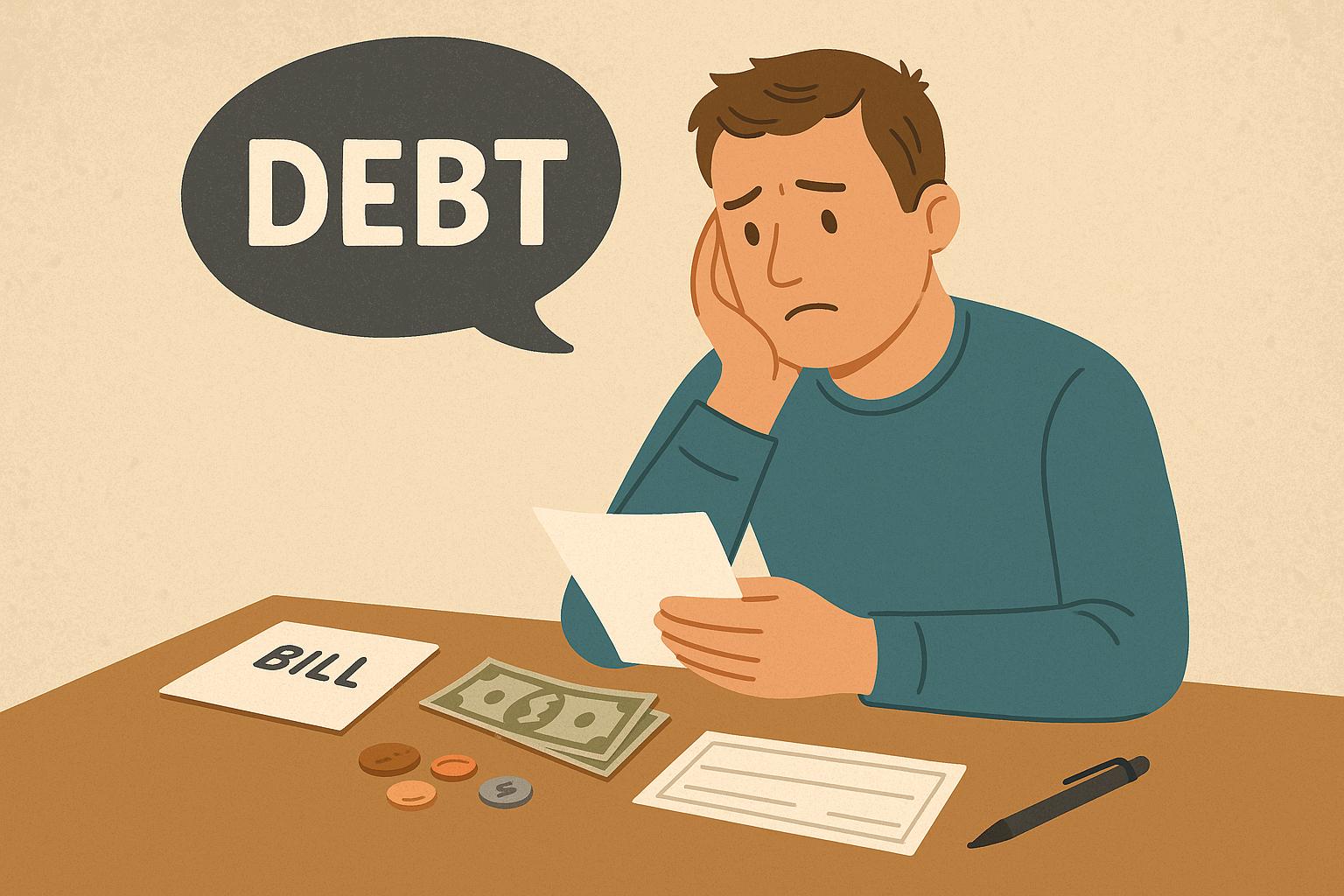
When living paycheck to paycheck, managing debt can be challenging, but it is certainly not impossible. One of the fundamental aspects of successful debt management is gaining a comprehensive understanding of your overall financial situation. This requires a keen awareness of the total amount owed across all of your financial commitments. Such commitments include loans, credit cards, and various other financial obligations you may have. To achieve this clarity, gather all relevant statements and documents. This step is vital as it helps you calculate the exact figures related to your debt, laying the foundation for effective debt management.
Prioritize Your Debts
After gaining a thorough understanding of your financial situation, the next logical step is to prioritize which debts should take precedence. Generally speaking, it is often advisable to focus on debts that carry the highest interest rates. These types of debts tend to accumulate more over time, posing a more significant financial burden if left unchecked. However, some individuals might prefer starting with smaller debts to experience quick wins and a sense of accomplishment. The approach can vary depending on your individual circumstances:
Avalanche Method: This method focuses on paying off debts with the highest interest rate first. It is a financially sound strategy that minimizes the overall interest paid in the long run.
Snowball Method: This method involves starting with the smallest debt, allowing for the quick elimination of these smaller obligations. As you eliminate the smaller debts, you build momentum and motivation to tackle larger debts.
Create a Realistic Budget
Developing a budget that is specifically tailored to your financial situation is crucial in managing debt effectively. Start by identifying essential expenses, which typically include housing, utilities, groceries, and transportation. Once you account for these necessities, calculate how much of your available funds can be allocated toward debt payments each month. Utilize online budgeting tools or mobile apps to assist in tracking your spending. A realistic budget helps in avoiding overspending and ensures that you consistently make debt payments.
Consider Debt Consolidation
Debt consolidation is a strategy worth considering if you are dealing with multiple high-interest debts. This approach simplifies your financial life by combining multiple debts into a single loan, ideally with a lower interest rate. The consolidation process can streamline your payments and potentially reduce the portion of your income that goes toward paying interest over time. Nevertheless, it’s crucial to understand all associated costs and terms before proceeding with this option. Gathering detailed advice on debt consolidation options can aid in making informed decisions. For more information on debt consolidation, you may explore resources, such as this guide.
Explore Additional Income Streams
Increasing your income can significantly enhance your capacity to manage debt effectively. Seeking additional income streams can make a substantial difference. Consider exploring part-time jobs, engaging in freelance work, or selling items that you no longer need for extra cash. The additional income generated from these activities can facilitate larger payments on your debts, thereby expediting the reduction of your debt load.
Seek Professional Advice
For some, managing debt can become overwhelming despite concerted efforts to address the situation. In such cases, seeking professional advice becomes an invaluable step. Consulting with a financial advisor or a credit counseling service can provide you with personalized advice and help develop a debt management plan tailored to your circumstances. When choosing a professional service, opt for reputable ones and check for certifications, such as affiliations with the National Foundation for Credit Counseling.
By taking steps to fundamentally understand your financial situation, prioritizing debt payments, exploring consolidation options, and seeking professional guidance, you can effectively manage debt even while living paycheck to paycheck. Each of these strategies plays a critical role in shaping a more stable financial future, offering structure and clarity on your path to becoming debt-free.