Understanding Debt Buyers
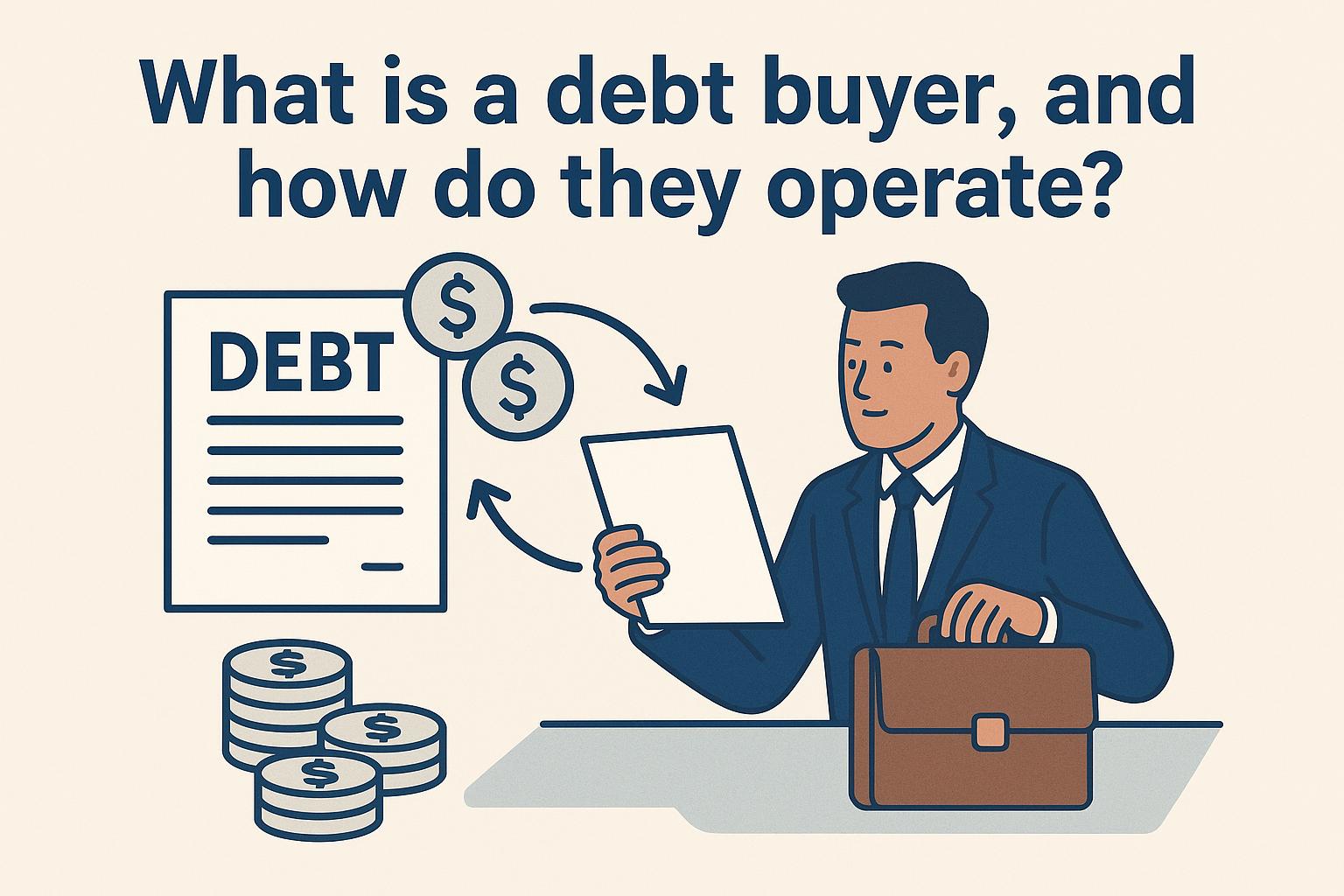
In the financial world, a debt buyer is an entity that purchases delinquent or charged-off debt from a creditor or lender at a discounted price. These debts are typically bought in substantial portfolios and can often consist of unpaid credit card bills, medical bills, utility bills, or mortgages. The primary objective of a debt buyer is to recover more than the purchase price of the debt, thereby making a profit.
How Debt Buyers Operate
Debt buyers acquire delinquent accounts from original creditors or other lenders. These debts are usually sold in large batches, and the purchase price depends on the age and type of the debt. Once acquired, debt buyers have the legal right to collect on these debts.
Collection Strategies
Debt buyers utilize several strategies to recover the money owed. Common approaches include:
In-house Collection: Many debt buyers have their own collection departments to manage and pursue repayments directly from debtors. This approach allows debt buyers to maintain control over their collection strategies and tailor their efforts to maximize the likelihood of recovering the owed amounts.
Third-party Collection Agencies: If a debt buyer does not have the resources to manage collections internally, they may hire third-party collection agencies to recover the debts. Outsourcing collections can be cost-effective and allows debt buyers to leverage the expertise of established agencies.
Reselling Debt: In some instances, if a debt buyer cannot recover the debt, they might sell it to another debt buyer. This continues the cycle of debt collection attempts, as each new buyer seeks to profit from recovering as much of the original debt as possible.
Legal Framework and Regulations
Debt buyers must operate within the boundaries of local and national laws. In the United States, for example, the Fair Debt Collection Practices Act (FDCPA) regulates how debt collectors, including debt buyers, interact with consumers. This law limits harassment and sets guidelines for debtor communication. Debt buyers must ensure that their practices do not violate these regulations, as doing so can result in legal penalties and damage to their reputation.
Challenges Faced by Debt Buyers
Despite the potential for substantial profits, debt buying is not without its challenges:
Legal Complaints: Debt buyers often face legal challenges from consumers who dispute the validity of the debt or the manner in which the collection efforts are conducted. These disputes can lead to costly and time-consuming legal battles, particularly if the debt buyer cannot adequately prove the debt’s validity.
State Regulations: Different states may have varying rules about time-barred debts, requiring debt buyers to stay well-versed with state-specific legislation. Failure to comply with these laws can expose debt buyers to legal action and penalties.
Ethical Considerations: Maintaining ethical collection practices is crucial in ensuring a debt buyer’s reputation remains intact while avoiding scrutiny from regulators and consumer advocates. Ethical considerations include treating debtors with respect and ensuring they are informed of their rights.
Economic Impacts of Debt Buying
Debt buying has several economic impacts. For original creditors, selling delinquent debts provides an opportunity to clean up their balance sheets and focus on their core business operations. Rather than spending resources on collecting debts, creditors can convert non-performing assets into immediate cash.
For debt buyers, successfully recovering debts at more than the purchase price can result in significant profits. However, the variability in recovery rates introduces an element of risk. Debt buyers must carefully evaluate portfolios before purchase to estimate potential recoveries accurately. The overall success of a debt buyer depends not only on their collection strategies but also on market conditions and consumer payment behavior.
Social Perceptions and the Realities of Debt Buying
The debt buying industry is often viewed critically by the public. Concerns about potential harassment and aggressive collection tactics sometimes overshadow the financial role these entities play. Understanding the dynamics of this industry requires acknowledging both the positive impacts, such as providing liquidity to creditors and the potential negative aspects, like consumer disputes and ethical dilemmas.
Efforts within the industry to promote transparency and ethical standards, coupled with regulatory oversight, aim to address these perceptions. Comprehensive consumer education on their rights concerning debt collection is essential to foster a more nuanced understanding of the debt buying sector.
The Role of Technology in Debt Buying
In recent years, technology has increasingly played a role in the debt buying industry. Automated systems and advanced analytics tools help debt buyers assess the collectability of purchased debt, streamline communication processes, and ensure compliance with legal standards.
Technology is also influential in enhancing the efficiency and effectiveness of collection strategies. For instance, predictive analytics can enable debt buyers to identify which debts are more likely to be recoverable, allowing them to allocate resources more effectively. Furthermore, digital communication tools offer alternative ways to engage debtors, fostering more amicable resolutions that potentially reduce disputes.
Future Outlook of the Debt Buying Industry
The future of the debt buying industry is likely to be shaped by several factors, including regulatory changes, technological advancements, and evolving consumer payment patterns. As the economic environment continues to change, debt buyers will need to adapt to shifts in consumer behavior and legal landscapes.
While technology offers promising opportunities for improving efficiency, debt buyers must remain vigilant against data privacy concerns and strive to maintain the trust of consumers. Ensuring compliance with emerging regulations, embracing ethical practices, and leveraging technology effectively will be critical for sustained success in the industry.
Conclusion
The debt buying industry serves a critical function in the financial ecosystem by providing liquidity to creditors looking to clean up their balance sheets. While debt buyers have the potential for significant profit, they must navigate a range of regulatory, ethical, and operational challenges. Understanding these dynamics is essential for anyone interacting with or impacted by this sector.
In conclusion, debt buyers play an essential role in the broader financial industry by connecting creditors with the resources they need to manage their non-performing loans effectively. Despite facing numerous challenges, debt buyers continue to adapt, leveraging new technologies and adhering to evolving regulations to ensure their operations remain viable and ethical.