The Role of High-Interest Loans in Debt Accumulation
High-interest loans have become a significant factor in the study of personal debt accumulation. Understanding their role requires examining how these loans work, their impact on borrowers, and the broader economic implications.
Understanding High-Interest Loans
High-interest loans are financial products with elevated interest rates compared to conventional loans. Products such as payday loans, credit card advances, and some types of personal loans fit into this category. Generally, these loans are marketed as quick solutions for urgent financial needs, offering easy access to cash. These loans appeal to individuals who find themselves in urgent situations, often without the necessary savings to cover unexpected costs, providing what seems to be a convenient financial solution at the time.
Why Borrowers Opt for High-Interest Loans
Individuals often turn to high-interest loans for various reasons, including:
Emergency Expenses: Many borrowers use these loans to cover unforeseen costs such as medical bills or urgent repairs. Emergencies do not wait for financially convenient times to occur, and when they arise, individuals may not have the luxury of comparing multiple borrowing options.
Credit Challenges: Those with poor or no credit history might not qualify for conventional financing options and thus resort to these loans despite their high costs. High-interest loans sometimes present themselves as the only feasible option, particularly for individuals who are struggling with credit score issues. This availability can be both a benefit and a detriment, as it provides needed funds but can come at a high long-term cost.
Beyond immediate needs, some borrowers might also use these loans to bridge gaps between paychecks, driven by cash flow imbalances. However, the convenience of accessing funds quickly can blind individuals to the long-term financial commitments they are making, potentially leading to significant difficulties down the road.
The Impact on Debt Accumulation
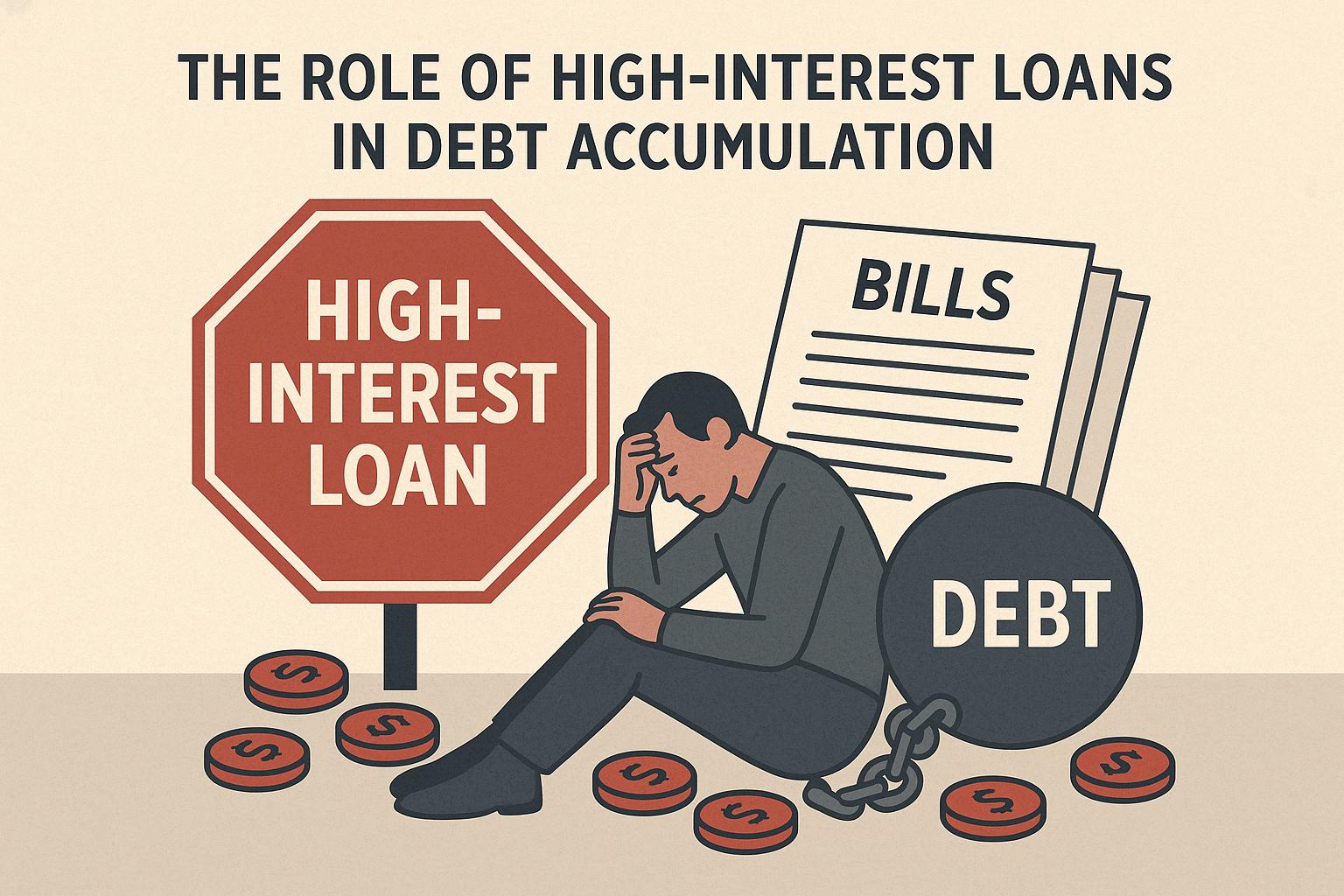
The effect of high-interest loans on personal debt is profound. Borrowers may find themselves in perpetual debt cycles because the high interest can quickly inflate the amount owed. This occurs when borrowers are unable to pay off the principal and interest within the loan term, forcing them to take out additional loans to cover existing ones. The result is a compounding debt that can become unmanageable over time.
Individuals taking these loans often do so with the belief that they will only use the funds short-term and will repay them quickly. However, the reality can be starkly different, as high interest eats away at the ability to pay off the principal. This leads to a situation where debt keeps accumulating, and each missed payment or rollover increases the total debt load.
For more information on managing debt, visit the Consumer Financial Protection Bureau.
Case Study: Payday Loans
Payday loans exemplify the potential debt spiral. Typically, these loans demand repayment on the borrower’s next payday. However, if the borrower cannot repay, they often pay a fee to roll over the loan, leading to escalating costs. This rollover process can trap borrowers in a cycle where they continually renew the loan, each time with additional fees, creating an endless loop of repayments without making substantial progress on the principal debt.
The structure of payday loans is such that while they may appear as a short-term fix, they can lead to long-term financial distress if not managed carefully. Borrowers often end up paying more in fees and interest than the original loan amount, exacerbating financial insecurities.
Broader Economic Implications
At a macroeconomic level, the proliferation of high-interest loans can impact consumer spending patterns. Individuals spending a large portion of their income servicing debt have less disposable income to spend on goods and services, potentially affecting economic growth. This reduction in consumer spending can dampen business revenues, slow down production, and lead to broader economic stagnation.
The regulatory landscape also plays a role in the prevalence of these loans. In some regions, authorities have enacted laws to cap interest rates or regulate lending practices, aiming to protect consumers from predatory lending. These regulations can help curb the most excessive practices of high-interest lenders, creating a more balanced financial environment for consumers.
However, there are also arguments about the roles of these regulations. While they protect consumers from exorbitant rates, others argue they can limit access to essential funds in times of need. It is a delicate balance between ensuring protective measures against exploitative practices and keeping financial solutions accessible to those who genuinely require them.
Conclusion
High-interest loans are a critical factor in debt accumulation, influencing individual financial stability and broader economic outcomes. Understanding and addressing the issues associated with these loans is essential for mitigating their impact on personal and economic health. Awareness, regulation, and responsible borrowing are key to ensuring that these financial tools do not lead to negative long-term consequences for individuals and the economy at large.
In summary, while high-interest loans can provide immediate financial relief, they come with significant risks that need careful consideration. Both borrowers and policymakers need to engage in open dialogues about the implications of these loans and work towards solutions that prevent debt accumulation while still addressing urgent financial needs.