The Basics of Debt Settlement
Debt settlement, commonly referred to as debt relief or debt adjustment, is a process that involves negotiating with creditors to lower the total amount of debt you owe. This approach can offer substantial financial relief to individuals grappling with high levels of debt. However, there are potential tax implications that accompany settled debts, and it is crucial to understand these considerations to avoid unforeseen financial setbacks.
Understanding Taxable Debt
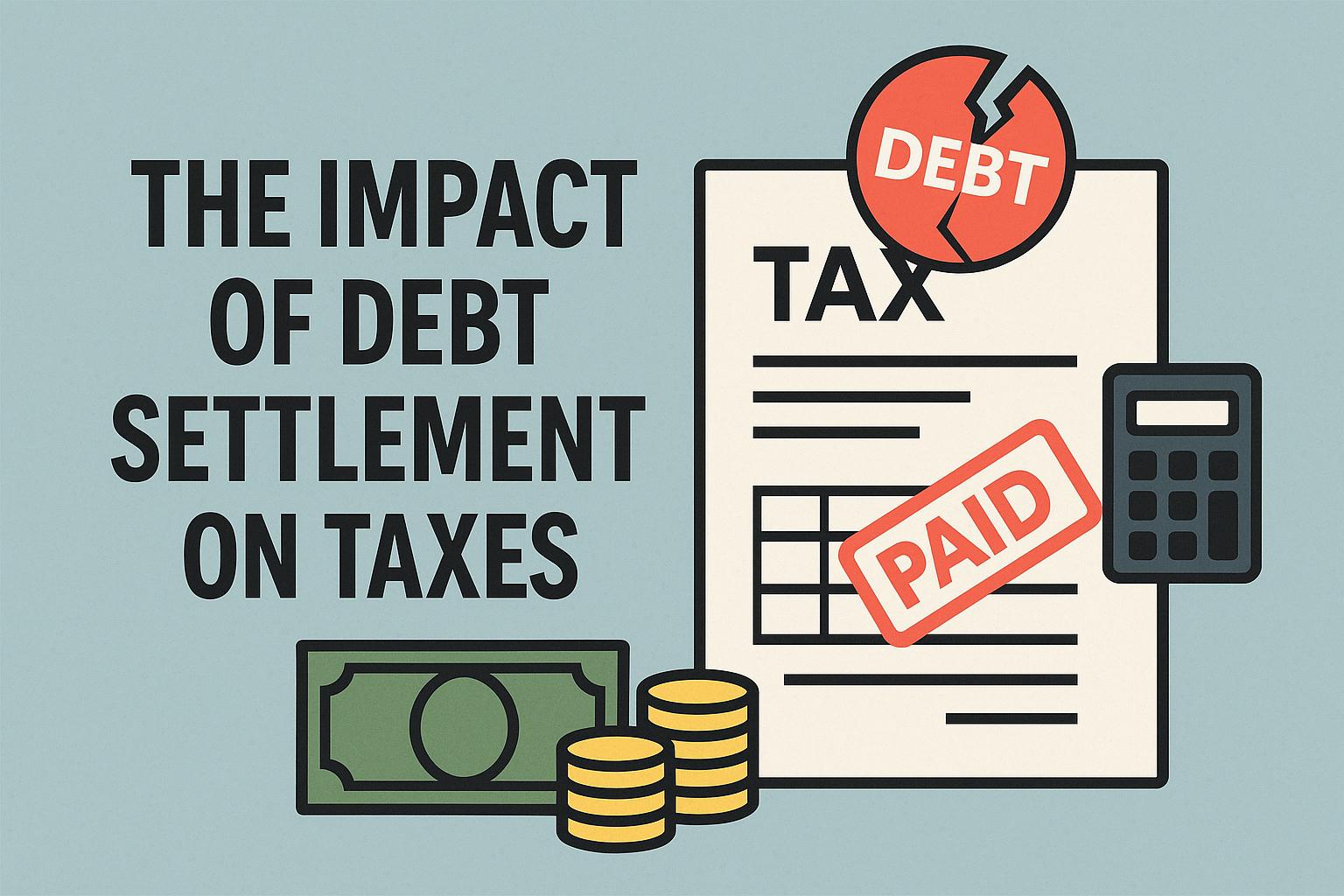
When a portion of your debt is forgiven or you settle the debt for less than the original balance, the Internal Revenue Service (IRS) may categorize the forgiven amount as taxable income. This income, identified as “cancellation of debt” (COD) income, can potentially elevate your tax obligations for the tax year in which the settlement takes place.
Form 1099-C: Cancellation of Debt
Creditors are mandated to report any canceled debts that exceed $600 by issuing a Form 1099-C. This form will be sent both to the IRS and to you, the debtor. It is of utmost importance to accurately report this information on your tax return. Failing to report this could result in complications with the IRS, further complicating your financial situation.
Exceptions and Exclusions
While COD income is generally taxable, there are various exceptions and exclusions that may apply, potentially reducing or entirely eliminating the tax burden associated with forgiven debts. Below are some typical scenarios where exceptions might apply:
Insolvency: If you were insolvent at the time the debt was forgiven—meaning your total debts surpassed your total assets—you might be able to exclude the canceled debt from your taxable income to the extent of the insolvency. Determining insolvency involves calculating your financial situation right before the debt forgiveness occurred.
Bankruptcy: Debts that are discharged through bankruptcy proceedings are usually excluded from taxable income. This exclusion can provide significant relief for individuals who have gone through the bankruptcy process and are trying to rebuild their financial lives.
Principal Residence Indebtedness: Under specific conditions, if the canceled debt pertains to your primary residence, it might be excluded from your taxable income. The details of such exclusions can be nuanced, and it’s often beneficial to seek professional advice to determine eligibility.
Given the complexity of these exceptions, it is advisable to consult with a tax professional. They can ascertain your eligibility for these exceptions and ensure correct application and reporting on your tax return, thereby preventing potential issues with the IRS.
Planning for Potential Tax Impact
Before consenting to a debt settlement agreement, it is prudent to evaluate the potential tax ramifications. A comprehensive understanding of these implications can help you make informed decisions about engaging in debt settlement and its effects on your financial well-being.
Consider speaking with a tax advisor or financial planner to gain clarity on how settling your debts might impact your overall financial landscape, including future tax liabilities. This professional guidance can help you navigate the complexities of debt settlement and better prepare for any resulting tax obligations.
Taking preemptive measures to address these implications can significantly aid in making informed financial decisions. Ensuring compliance with tax reporting is crucial to avoid unexpected expenses, which can arise during tax season if COD income is not accurately reported or considered.
Learn more about managing debt effectively, and take steps to safeguard your financial health. Understanding the intricacies and planning for potential challenges can empower you to achieve greater financial stability in the process of settling your debts.
By thoroughly understanding the debt settlement process and its associated tax implications, you will be better positioned to navigate financial challenges and opportunities. With careful planning and professional advice, you can work towards resolving your debts while minimizing adverse tax effects, ultimately contributing to a more secure financial future.