
Understanding Consumer Debt Recovery
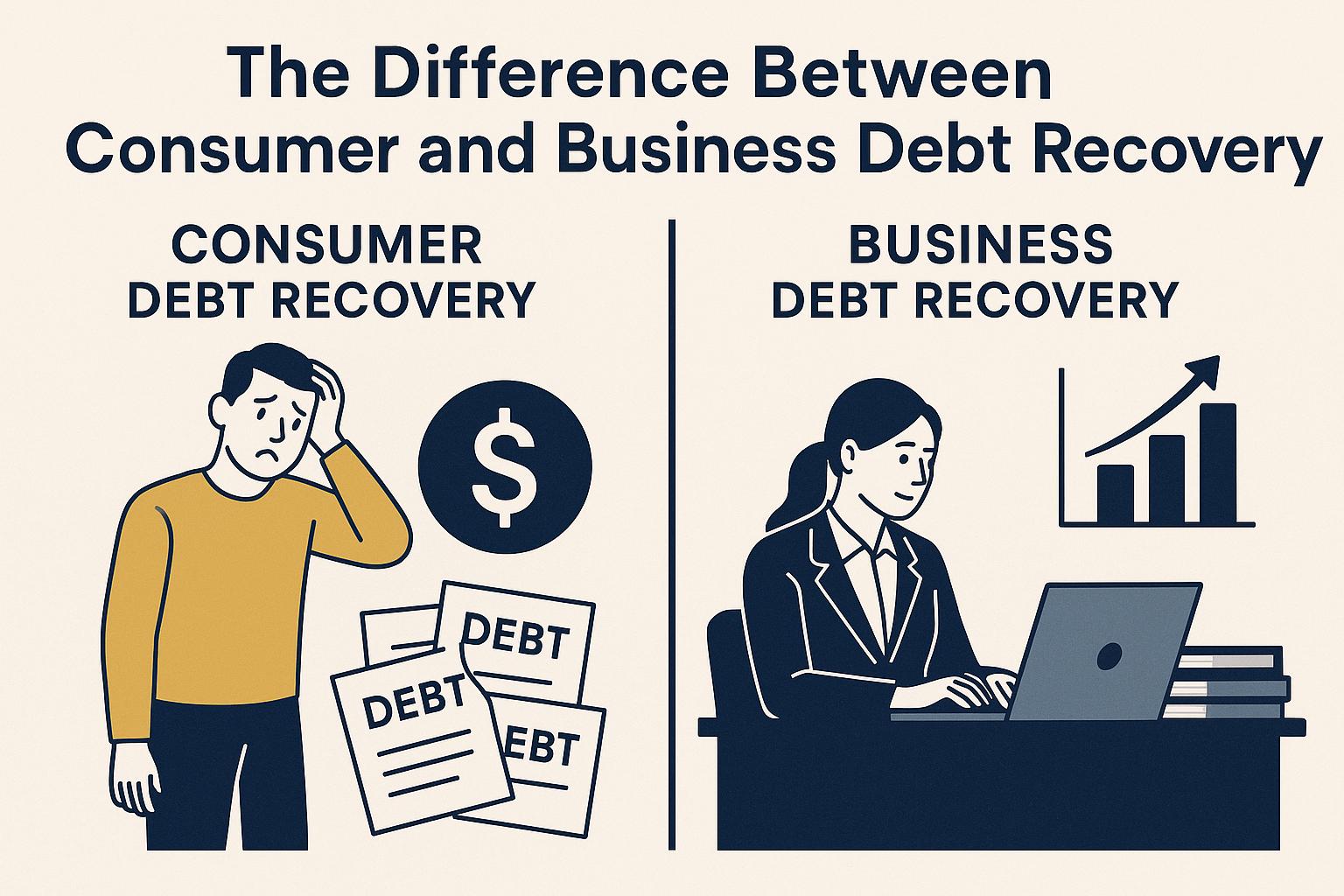
Consumer debt recovery focuses on collecting overdue payments from individuals who have outstanding balances on personal accounts. This can involve various types of debt, including credit card balances, personal loans, and medical bills. Unlike business debt recovery, consumer debt recovery is surrounded by a web of laws and regulations designed to shield individuals from potentially abusive practices.
Regulations and Protections
In many jurisdictions worldwide, consumer debt recovery activities are tightly regulated. In the United States, for instance, this is largely governed by the Fair Debt Collection Practices Act (FDCPA). Such laws are implemented to control how and when debt collectors may contact consumers, aiming to safeguard individuals from harassment and unethical practices. Debt collectors and the original creditors are mandated to adhere to these regulations, ensuring ethical collection practices.
The Role of Communication
Communication forms the cornerstone of consumer debt recovery strategies. Effective communication can involve direct interaction with the debtor through phone calls, emails, or written correspondence. Debt collectors often work to negotiate payment plans that suit both parties, allowing for a manageable repayment route for the debtor. Offering settlement options can also be part of the strategy, where the debtor might pay a lump sum less than the owed amount to clear the debt. However, while collection efforts aim to retrieve the owed money, it is crucial that consumer rights are respected, and all efforts comply with legal standards.
Enhanced Consumer Rights
Consumer protection regulations are evolving constantly, aiming to further enhance the rights of individuals. Educating debtors about their rights and ensuring they are informed of the legal obligations of collectors is vital. Missteps in these areas can lead to significant legal challenges and financial repercussions for the collecting agency, including penalties and litigation.
Understanding Business Debt Recovery
Business debt recovery, on the other hand, extends to retrieving unpaid debts that are due from companies rather than individual consumers. This encompasses various forms of commercial debts, such as unpaid invoices, business loans, and balances from services provided to other businesses.
Different Regulatory Landscape
The legal environment for business debt recovery is generally more relaxed when compared to that of consumer debt. This flexibility stems from the belief that businesses operate on a level playing field, capable of negotiating and protecting their interests robustly. Consequently, regulations concerning business debt are less stringent, allowing more free-form practices in the recovery process. However, this does not mean the absence of legal frameworks; businesses must still operate within boundaries, often dictated by contract law and fair practice standards.
Strategies and Approaches
Successful business debt recovery often requires a balance of negotiation and formal action. Initially, it may involve informal discussions with the debtor business to understand their financial status and work towards a renegotiated payment plan. This can include adjustments to payment terms or offering structured repayment solutions. If these measures do not result in payment, formal approaches like demand letters come into play, potentially followed by legal proceedings if necessary.
Understanding Financial Context
Analyzing the financial situation of the debtor company can inform the recovery strategy. Knowledge of the debtor’s cash flow and assets can help tailor approaches that are most likely to yield successful outcomes while maintaining the viability of future business relations.
Comparing Consumer and Business Debt Recovery
The distinction between consumer and business debt recovery is most apparent in the differing regulatory environments and recovery approaches. Consumer debt recovery functions within a more regulated context to protect individuals, whereas business debt recovery operates with greater flexibility, reflecting an assumed equitable power dynamic between involved entities.
Impact of Debt Type
The nature of the debt plays a key role in shaping the recovery process. Consumer debts tend to revolve around personal circumstances and require sensitivity, whereas business debts focus on the transactional and commercial relationship. This inherent difference dictates the tools and communication strategies used in the recovery efforts.
Legal Considerations
Navigating the complex landscape of debt recovery necessitates a deep understanding of legal distinctions between consumer and business contexts. Compliance remains critical; for consumer debt recovery, non-compliance can result in heavy penalties and damage to reputation. Businesses and collection agencies must be vigilant in upholding laws to achieve recovery objectives effectively. For further insights into consumer protection and legal obligations, reviewing resources from government or regulatory bodies is recommended.
By understanding the nuances and applying appropriate strategies, entities involved in debt recovery can ensure that their processes are not only effective but also compliant with the prevailing legal infrastructure. This comprehensive approach aids in maintaining good relationships with debtors and upholding the integrity and reputation of the recovery agency.