Understanding Debt Recovery
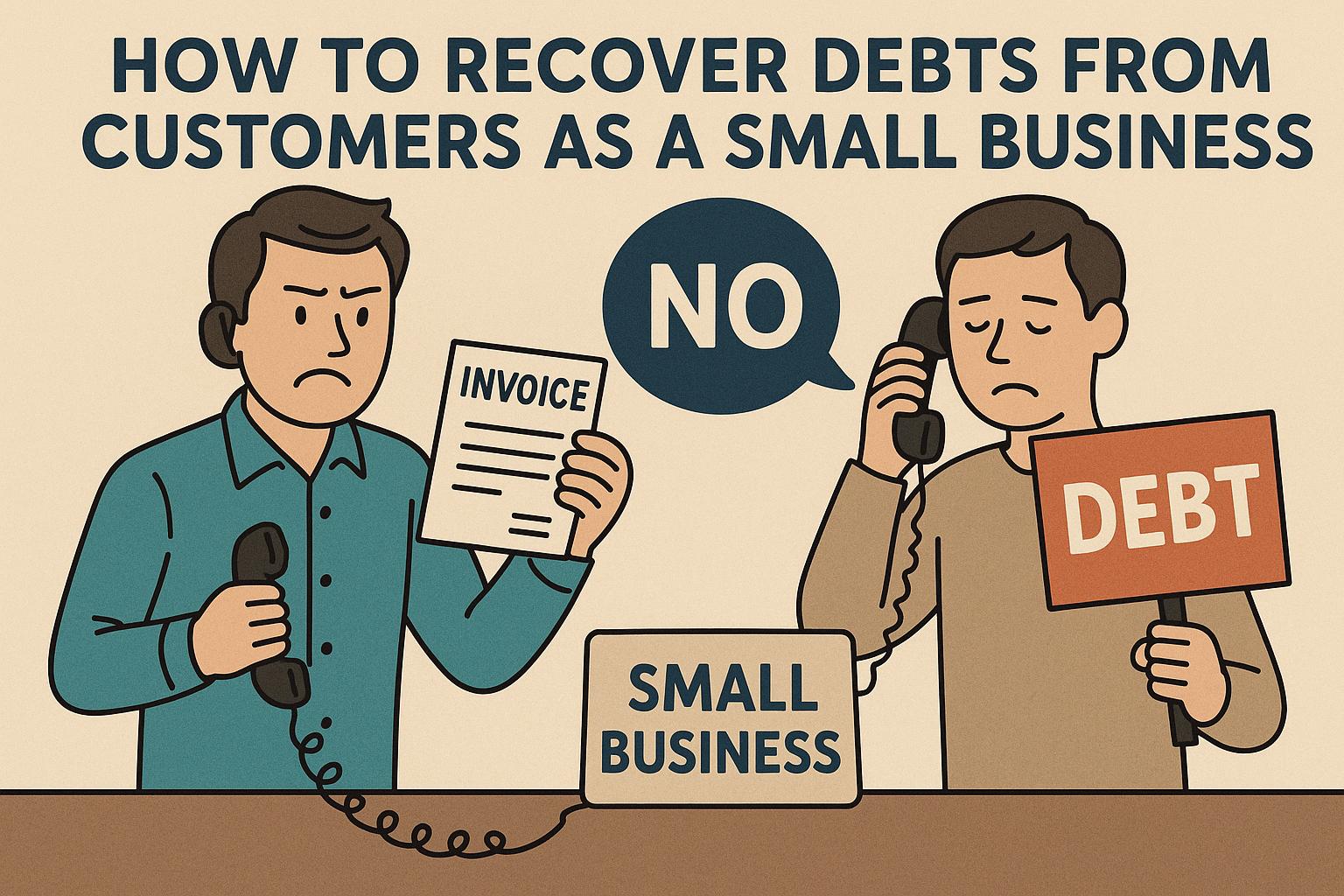
Recovering debts from customers can be a challenging aspect of running a small business. Ensuring that cash flow remains steady is crucial for operations, and unpaid debts can interfere with financial stability. This article outlines strategies for effectively recovering debts while maintaining professional relationships with customers.
Steps to Efficient Debt Recovery
1. Establish Clear Payment Terms
Begin by setting clear payment terms in your contracts or agreements. Clearly outline due dates, accepted payment methods, and any applicable late fees. This establishes expectations and provides a reference point for any follow-up discussions with customers. Setting up well-defined payment terms not only helps in managing financial transactions but also prevents future misunderstandings. Customers are more likely to honor payments when they understand the terms they initially agreed to. Additionally, make sure to document these terms thoroughly and ensure both parties have copies for reference.
2. Regular Invoicing and Follow-ups
Maintain a consistent invoicing schedule. Send invoices promptly upon completion of goods or services, and follow up regularly. Automated invoicing systems can be helpful in ensuring that no payment is overlooked. If a payment is late, send a reminder to the customer at regular intervals. Regular follow-ups are more than just reminders; they serve as a gentle nudge to ensure payments are prioritized by the customer. Ensuring consistency in your invoicing not only helps track finances but also upholds your business’s professionalism. Regular billing can also help clients manage their cash flow better, thereby encouraging timely payments.
3. Open Communication Channels
Maintain open lines of communication with your customers. Ensure that they know how to contact you with any questions or concerns regarding their invoices. Offering multiple ways to contact your business, such as phone, email, or online forms, can make it easier for customers to resolve potential issues. Transparent communication often reduces the chances of disputes and misunderstandings. Customers appreciate businesses that are approachable and willing to resolve their concerns, which also increases customer retention and satisfaction. When clients feel heard and understood, they are often more inclined to meet their obligations.
4. Implement a Payment Plan
If a customer is unable to pay the full amount immediately, consider setting up a payment plan. This can involve smaller payments spread out over time. A payment plan can make debt repayment more manageable for the customer and increase the likelihood of full repayment. Offering a payment plan demonstrates flexibility and willingness to work with the customer’s circumstances. It is crucial, however, to clearly outline the terms of the payment plan to avoid any future complications. This approach can often turn a potentially negative situation into a display of customer support and care.
5. Use Professional Debt Collection Services
If internal efforts to recover the debt are unsuccessful, consider hiring a professional debt collection agency. These agencies specialize in recovering unpaid debts and have the necessary expertise to handle the process efficiently. Look for an agency with a good reputation and one that complies with legal regulations. While outsourcing debt recovery might seem like an additional expense, it could save time and resources in the long run. Professional debt collectors understand the nuances of the recovery process and can often negotiate settlements that might be challenging for business owners to achieve independently.
Legal Considerations
It’s essential to understand the legal framework surrounding debt recovery in your jurisdiction. Laws govern how businesses can pursue unpaid debts, so remain informed about your rights and responsibilities. Consulting with a legal professional can ensure that your debt recovery process is compliant with local regulations. Legal guidance can protect your business from potential lawsuits and penalties that might arise from mishandling debt recovery. Staying informed also helps in designing contracts and agreements that are legally binding and enforceable in case of disputes.
Alternative Dispute Resolution
In some cases, disputes over debts might arise. Alternative dispute resolution (ADR) methods, such as mediation or arbitration, can help resolve these issues without resorting to legal action. ADR can be a less expensive and quicker method to come to a mutually agreeable solution. These processes allow both parties to present their sides and arrive at a resolution that honors the interests of both the debtor and the creditor. Additionally, resolving disputes through ADR often helps in maintaining a working relationship post-resolution.
Maintaining Customer Relationships
Throughout the debt recovery process, it’s crucial to maintain professionalism and a focus on customer relationships. Being firm yet fair in handling overdue payments can preserve a positive business relationship. Encourage feedback from customers, which can provide insights into improving payment terms or invoicing processes. Prioritizing customer relationships even during debt recovery signals to clients that their partnership is valuable. This approach can also generate referrals and positive reviews that can be crucial for growing your small business.
Prevention Strategies
To reduce future occurrences of unpaid debts, implement preventive measures. Regularly review your credit procedures, perform credit checks on new customers, and assess the financial stability of existing customers. By anticipating potential payment issues, you can take proactive steps to mitigate risks. Educating your staff about these preventive measures ensures that everyone is aligned towards achieving financial stability. Preemptive actions not only reduce risk but also improve the overall financial health of your business.
For further information on improving your small business’s financial practices, you can explore resources from the U.S. Small Business Administration or similar organizations that offer guidance tailored to small businesses.
The effectiveness of your debt recovery approach significantly impacts a small business’s financial health. By employing comprehensive strategies and maintaining clear communication, you can manage customer debts more efficiently while sustaining good business relationships.