Understanding Bankruptcy
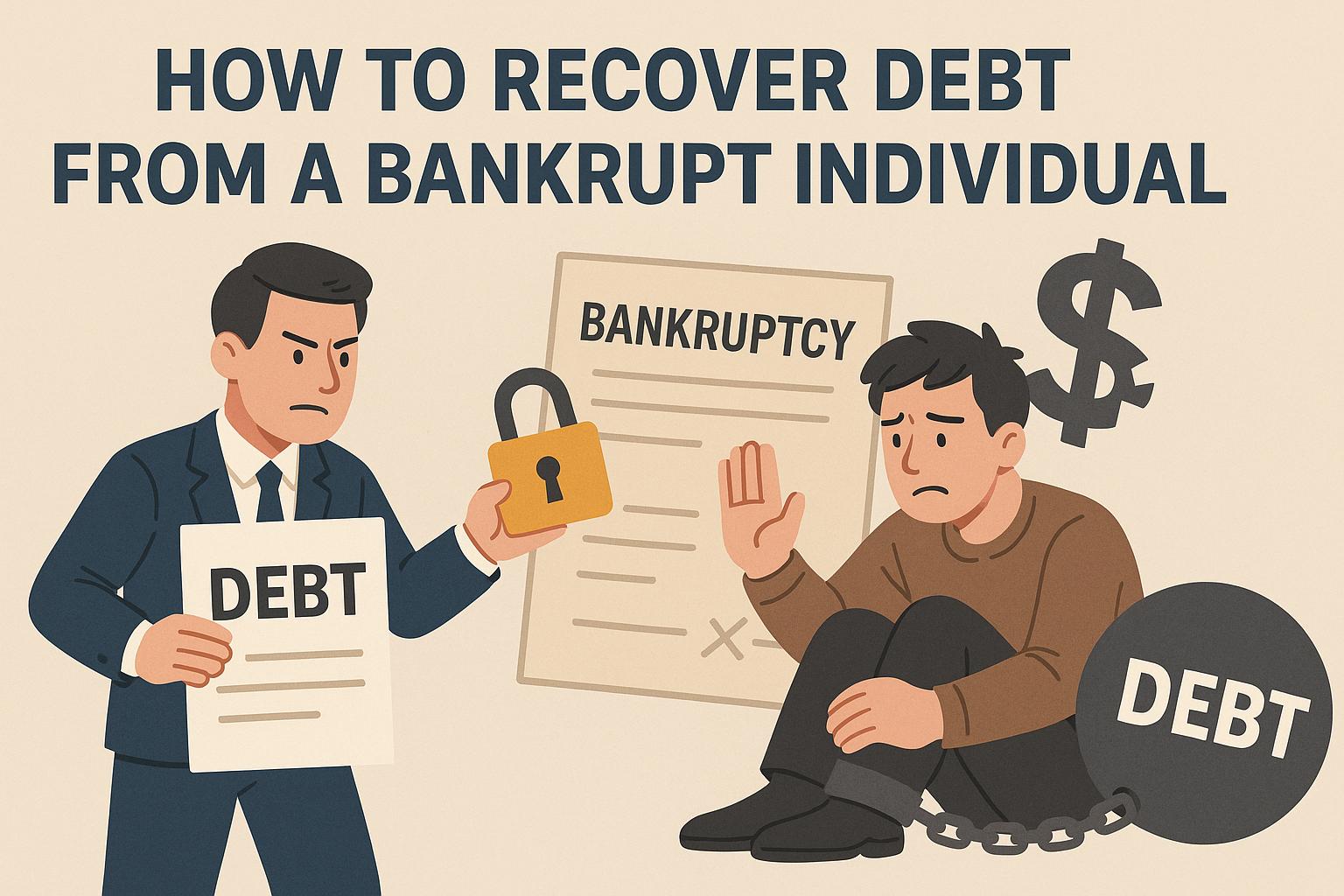
When an individual decides to file for bankruptcy, they are essentially seeking relief from overwhelming debt obligations. This legal process can have a substantial impact on creditors because it might limit their ability to recover the debts owed to them. Thus, understanding the implications and restrictions associated with bankruptcy is crucial for all involved parties, especially creditors.
Types of Bankruptcy
In the United States, the most common forms of bankruptcy for individuals are Chapter 7 and Chapter 13.
Chapter 7 Bankruptcy
Chapter 7 is often referred to as “liquidation bankruptcy.” This form of bankruptcy involves selling the debtor’s non-exempt assets to pay off creditors. The debtor’s assets are evaluated, and those not essential to living or exempt under federal or state law are liquidated. The proceeds from the sale of these assets are distributed to creditors according to legal priorities. This process often results in the discharge of the debtor’s remaining unsecured debts.
Chapter 13 Bankruptcy
Chapter 13 is known as “reorganization bankruptcy.” This option allows the debtor to keep their assets but requires them to follow a court-approved repayment plan. The debtor restructures their debts and sets up a plan, usually spanning three to five years, to pay back creditors in installments. This type of bankruptcy is typically chosen by individuals who have a regular income and wish to protect their property from foreclosure or repossession.
Automatic Stay
Upon the filing for bankruptcy, an automatic stay is enacted. This is a crucial legal provision that halts creditors from continuing to collect debts from the debtor. The automatic stay is designed to give the debtor temporary relief from collection activities. It prevents creditors from initiating or continuing lawsuits, garnishing wages, or contacting the debtor for payment. Violating the automatic stay can result in creditors facing legal penalties.
Options for Recovering Debt
Recovering debts owed by a bankrupt individual can be a challenging endeavor for creditors. However, there are particular avenues through which creditors can attempt to recover some of their lost funds.
Proof of Claim
To be a part of the bankruptcy process and have a chance at recovering debt, creditors must file a Proof of Claim. This document details the debt owed by the debtor and must be submitted within a specific deadline, known as the “claims bar date.” Filing this proof is crucial for creditors, as it outlines their right to receive any potential payments assigned by the bankruptcy court.
Secured vs. Unsecured Debts
One important factor for creditors to consider is the distinction between secured and unsecured debts.
Secured Debts
Secured debts are obligations tied to specific assets, such as mortgages or car loans. These debts take precedence in bankruptcy proceedings due to their collateral nature. In many cases, secured creditors have greater chances of recovering debt because they have a legal interest in the secured asset. If the debtor defaults, the secured creditor can seize the collateral.
Unsecured Debts
On the other hand, unsecured debts, including obligations like credit card bills and medical expenses, fall lower on the priority list for repayment. Unsecured creditors may only receive a fraction of what is owed to them through the distribution of the debtor’s available assets after higher-priority claims are settled.
Objections to Discharge
In some situations, creditors may choose to contest the discharge of certain debts. If there is evidence suggesting fraud, misrepresentation, or other improper conduct by the debtor, a creditor has the option to file an Objection to Discharge. Successfully contesting a discharge requires substantial evidence and can be a complex legal process. Therefore, creditors often assess the cost and potential benefit before pursuing this avenue.
Reaffirmation Agreements
Another option available to creditors is negotiating a Reaffirmation Agreement with the debtor. This is a voluntary agreement in which the debtor agrees to remain liable for a particular debt after the bankruptcy. For creditors, reaffirmation agreements offer a route to secure payments even after a discharge. However, these agreements require approval from the bankruptcy court to ensure that the debtor is not taking on unmanageable debt levels again.
Consult Legal Advice
Navigating the intricacies of bankruptcy as a creditor can be a complex and challenging task. Due to the myriad of rules and potential for oversight, it is advisable for creditors to engage with a legal professional who specializes in bankruptcy law. A lawyer can help explore the most effective strategies to maximize debt recovery and ensure that all actions comply with legal regulations. Receiving personalized advice from a legal expert can often increase the likelihood of recovering at least a portion of the debt involved.
For anyone seeking further reading on bankruptcy and creditors’ rights, it may be beneficial to explore legal resources or government websites that provide official guidelines and more detailed information.