Understanding Wage Garnishment
Wage garnishment is a significant financial concern for many individuals. It represents a legal process wherein a portion of an individual’s earnings is withheld by their employer to satisfy a debt obligation. This often happens when a creditor obtains a court order following a debtor’s failure to make payments on their obligation. Wage garnishments can be instigated due to various types of debts, such as unpaid taxes, overdue child support, defaults on student loans, or outstanding credit card bills. Understanding the intricacies of wage garnishment and the laws surrounding it is crucial for any individual facing such a situation.
Federal and State Laws
The legal framework governing wage garnishment in the United States is comprised of both federal and state laws. At the federal level, the Consumer Credit Protection Act (CCPA) ensures some level of protection for employees by establishing limits on the amount of disposable income that can be garnished. Specifically, the law states that a maximum of either 25% of an individual’s disposable earnings can be garnished, or the amount by which that weekly income exceeds 30 times the federal minimum wage—whichever is lesser.
However, it’s important to note that these stipulations are just a baseline, as state laws can offer varying degrees of protection. In some states, the garnishment limits may be lower than those mandated by federal law, and a few states might even forbid wage garnishment completely under certain conditions. Therefore, it is imperative for individuals affected by wage garnishment to familiarize themselves with the specific legal guidelines applicable in their respective states.
Steps to Protect Your Wages
When faced with the prospect of wage garnishment, there are several proactive steps individuals can take to protect their earnings.
Challenge the Garnishment
One of the foremost actions you can take is to challenge the garnishment, especially if there is a belief that the order was incorrectly issued or that the amount stipulated is not accurate. To mount a challenge, individuals usually need to file a motion in the appropriate court and attend a hearing to present their case. Due to the legal complexities involved, securing guidance from an attorney with expertise in garnishment law can greatly aid in navigating the process effectively.
Negotiate with Creditors
Another viable strategy is to engage directly with creditors in an effort to negotiate a payment plan that might circumvent the need for garnishment. When financial difficulties become apparent, it is advantageous to initiate dialogue with creditors promptly. By discussing potential restructuring of payments, it may be possible to arrive at a more feasible repayment schedule that benefits both parties and avoids garnishment.
Consider Bankruptcy
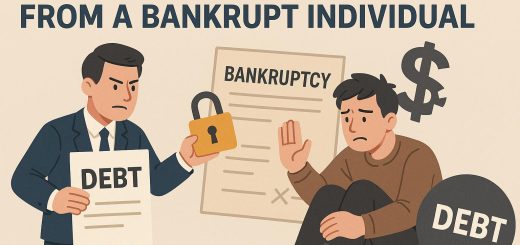
Under certain circumstances, filing for bankruptcy can serve as a means to halt wage garnishment. The bankruptcy process triggers an “automatic stay” on most collection efforts, including ongoing garnishments. Nevertheless, bankruptcy carries considerable long-term financial repercussions and should not be pursued lightly. It is essential to thoroughly assess the various implications and seek professional legal counsel before opting for this route.
Exemptions and Allowances
While garnishments can pose a significant financial burden, certain income sources are deemed exempt from this process under law. Typically, these exemptions include Social Security benefits, veterans’ benefits, and retirement funds. However, it’s important to understand that such exemptions may not hold when the garnishment is related to child support, alimony, or back taxes owed. To safeguard exempt income, one should verify which income streams are protected by law in their state and understand how these protections may differ regionally.
Seeking Legal Assistance
For individuals whose wages are subject to garnishment, seeking legal assistance can be invaluable. Attorneys who are well-versed in debt collection and garnishment laws can provide detailed guidance tailored to an individual’s unique circumstances. These professionals can offer strategies and insights to help you navigate the legal framework surrounding wage garnishment.
In addition to consulting with legal experts, individuals affected by garnishment may also benefit from utilizing consumer protection resources. These resources can offer further information and practical guidance on reducing or stopping garnishment efforts. For comprehensive insights and assistance, resources such as the Consumer Financial Protection Bureau can be particularly helpful.
Understanding wage garnishment and its legal intricacies is crucial for anyone facing the prospect of having their earnings withheld. By being informed about federal and state laws, taking appropriate protective measures, and seeking professional advice, individuals can better manage and potentially mitigate the impacts of wage garnishment.