
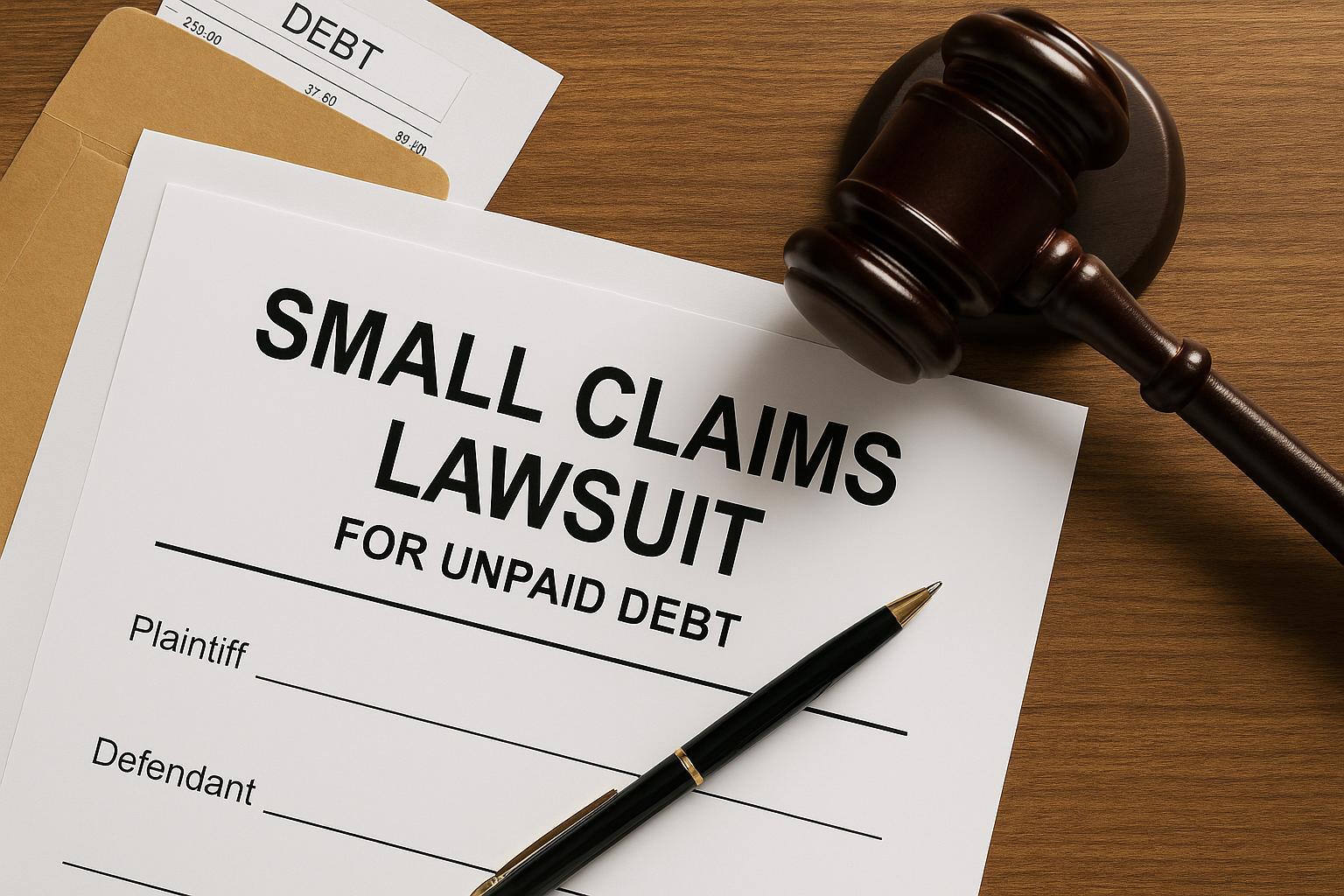
Understanding Small Claims Court
In the pursuit of recovering unpaid debts, the small claims court provides a simplified and cost-efficient avenue for legal recourse. However, it’s essential to be well-acquainted with the various nuances and procedural aspects that govern these courts. Understanding local jurisdiction guidelines, incorporating appropriate preparation, and knowing what to expect during hearings all contribute significantly to effectively navigating the small claims process.
Determining Eligibility
One of the first steps involves confirming whether your case qualifies for small claims court in your specific jurisdiction. Typically, small claims courts are designed to handle disputes where the contested amount is relatively modest, often within the range of a few thousand dollars up to a maximum, which may reach as high as $10,000 depending on the region. This threshold varies considerably, making it crucial to review your local court’s website to ensure eligibility. Additionally, ensure that the type of case you intend to file is covered under small claims court purview since some situations, such as family law matters or claims against federal entities, may fall outside its scope.
Preparing to File
The preliminary steps before filing a claim in small claims court involve thorough preparation to build a strong case.
Gather Evidence: The importance of meticulous documentation cannot be overstated when preparing for a small claims court case. Compile and organize every relevant piece of evidence associated with the debt. This could include copies of invoices, receipts, any letters of correspondence with the debtor, and especially contractual agreements that highlight the terms surrounding the transaction. A clear presentation of this evidence will be instrumental in supporting your claim robustly.
Understand the Law: Having a comprehensive understanding of relevant local laws concerning debt collection is imperative. This knowledge extends beyond basic familiarity—delve into any intricacies and specific rules your jurisdiction prescribes for the process. Being well-informed not only helps circumvent common legal pitfalls but also bolsters your overall legal standing in the courtroom.
Filing the Claim
When you’re ready to formally file your claim, several procedural steps follow, which need careful attention.
Once your evidence is in order and you’re well-versed with relevant legal statutes, you can proceed to file your claim. This step involves completing necessary documentation typically available at your local courthouse or through online resources on the court’s official website. Filing an accurate and comprehensive claim form is critical to the process.
Pay the Filing Fee: In processing your claim, a filing fee is mandatorily required. The fee amount varies depending on location, so it’s advisable to verify this with your local court. It’s also important to note that some jurisdictions offer fee waivers to individuals who qualify based on financial need.
Notifying the Defendant
After the claim has been filed, service of process is the subsequent, crucial step. This legal procedure involves informing the defendant that a lawsuit has been filed against them and advising them of the court date.
Service Methods: Different jurisdictions may specify varying permissible methods for serving the defendant. Options often include certified mail, employing a professional process server, or utilizing services from your local sheriff’s office. It’s essential to adhere strictly to the prescribed method; failure to do so may cause unnecessary delays and complicate your case’s proceedings.
Attending Court
Equipped with understanding and preparation, appearing in court is the next stage, where both parties present their cases.
On the scheduled court date, both parties are afforded the opportunity to present their respective cases before a judge. Punctuality and preparedness are key—ensure all necessary documentation is brought along to substantiate your claim effectively.
Stay Professional: During the hearing, maintain a professional demeanor at all times. Present your evidence with clarity and focus, avoiding any emotional appeals, and instead concentrate solely on factual information. The judge’s decision will be based on the objective evidence put forth during the hearing.
Post-Judgment Actions
In instances where the court rules in your favor, a judgment will be granted, obligating the debtor to settle the outstanding amount. Nevertheless, additional steps may be required to actualize the debt recovery, particularly if the defendant demonstrates reluctance or inability to pay.
Enforcement Measures: Enforcing the judgment to secure payment may involve multiple approaches, contingent on the specific legal framework of your jurisdiction. Options for enforcement may include wage garnishments to divert a portion of the debtor’s earnings directly to you, placing liens on the debtor’s property as a security interest, or initiating levies against the debtor’s bank account to recover the owed sum. Understanding the legal options and procedures in your area is fundamental to effectively pursuing these enforcement measures.
In conclusion, leveraging the resources available through local governmental websites or consulting professional legal assistance can greatly facilitate navigating the complexities inherent in the small claims court process. By being thoroughly informed and adequately prepared, one can optimize the chances of a favorable outcome in their pursuit of debt recovery through this accessible legal avenue.