Understanding Home Equity Loans for Debt Consolidation
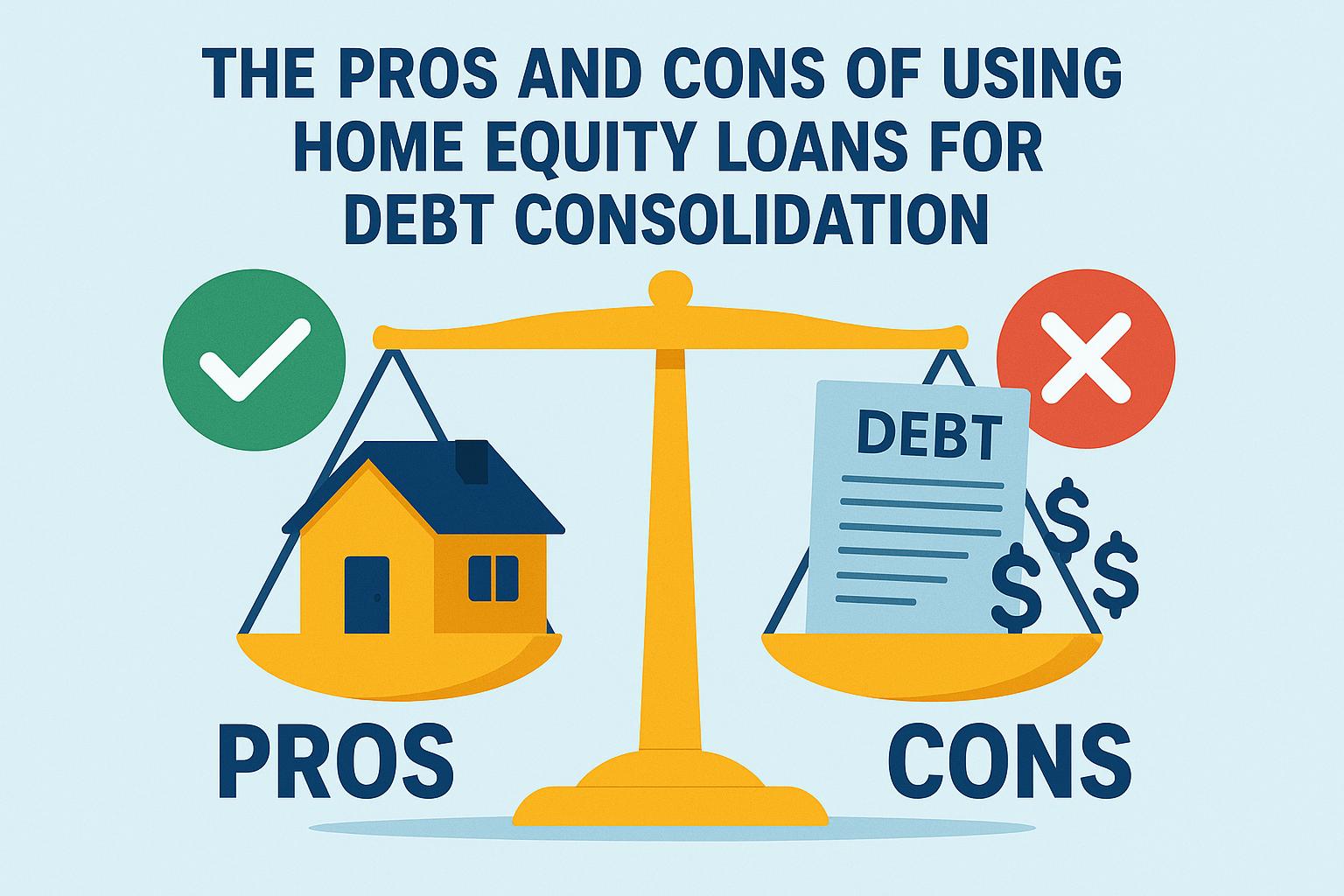
Home equity loans are financial products that provide an opportunity for homeowners to borrow against the equity they have established in their property. For those who have accumulated multiple high-interest debts, utilizing these loans for debt consolidation presents an appealing option. This article explores the advantages and disadvantages of this strategy, aiming to assist you in making an informed decision.
What is a Home Equity Loan?
A home equity loan is a financial instrument where the borrower uses the equity of their home as collateral for a loan. This typically involves receiving a lump sum of money that is paid back over a specified term with fixed interest rates. To delve deeper into the concept, you may want to explore this page for comprehensive details.
Benefits of Using Home Equity Loans for Debt Consolidation
Among the most notable benefits is the possibility of obtaining lower interest rates. Owing to the fact that home equity loans are secured by the property, they often carry lower interest rates compared to unsecured loans, such as credit card debt. This can substantially lower the overall cost of your debt.
Another advantage lies in the simplification of payments. Managing multiple debts involves keeping track of various due dates and fluctuating interest rates. By consolidating them into a single home equity loan, the task of managing these debts becomes more straightforward.
Moreover, there might be potential tax advantages. If the funds from a home equity loan are used for purposes like home improvements, the interest paid may be tax-deductible. It is advisable to seek the guidance of a tax advisor to acquire precise and applicable advice for your situation.
Drawbacks of Home Equity Loans for Debt Consolidation
While the benefits are evident, there are substantial risks that one must consider. The primary concern is that these loans are secured by your home, meaning that in the case of defaulting on the loan, the risk of losing your home becomes a reality. It is paramount to be absolutely confident in your long-term ability to service the debt.
Furthermore, there is the risk of accumulating even more debt. By consolidating high-interest credit card and other debts through a home equity loan, you might clear your credit limits, potentially tempting you to incur more debt. This scenario can lead to a debt cycle if not managed judiciously.
Additionally, one should be mindful of the fees and closing costs tied to home equity loans. These costs can sometimes negate the benefits of the lower interest rate, underscoring the importance of calculating the total cost of the loan comprehensively.
Considerations Before Opting for a Home Equity Loan
Before opting for a home equity loan for debt consolidation, it is essential to thoroughly evaluate your financial situation. Exploring alternative debt consolidation options, such as balance transfer credit cards or personal loans, should not be overlooked. Consider the implications of transitioning unsecured debt into secured debt and assess how this decision aligns with your long-term financial objectives.
Consulting a financial advisor is also recommended, as they can help explore all available options and ensure that the decision aligns with your unique financial landscape. To gain more insights into debt management strategies, resources such as this one may prove helpful.
In summary, leveraging a home equity loan for debt consolidation offers both compelling benefits and significant risks. A conscientious assessment and meticulous financial planning are critical when contemplating this option. By weighing the pros and cons and evaluating your financial circumstances, you can make a decision that is informed and aligned with your financial goals.