The Importance of Credit Monitoring in Debt Management
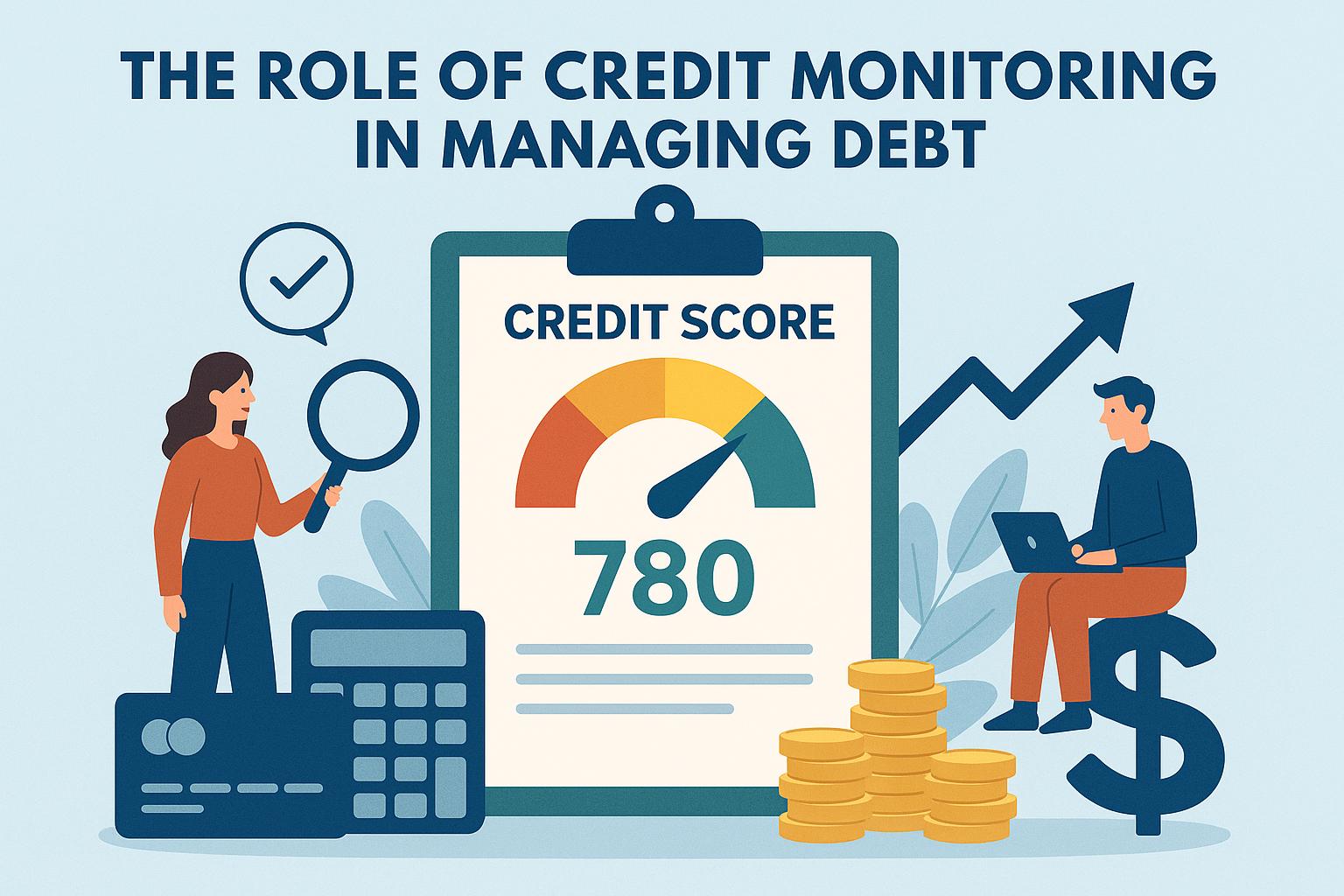
Credit monitoring is a vital element of debt management strategies employed by individuals and families aiming to preserve their financial health. Understanding credit monitoring helps not only in managing current debt levels but also in preventing the accumulation of excessive debt. This document will delve into how credit monitoring functions and highlight its advantages in debt management.
Understanding Credit Monitoring
At its core, credit monitoring involves the systematic tracking and evaluation of credit reports to notice any modifications or suspicious activities promptly. Typically, services are offered by credit agencies or specialized third-party companies, and they furnish customers with routine updates concerning their credit status. By meticulously observing credit accounts, individuals can spot early indicators of financial distress or fraudulent activities capable of adversely affecting their credit scores.
Benefits of Credit Monitoring
A key advantage of employing credit monitoring lies in the swift detection of identity theft. Recognizing unauthorized activities promptly enables consumers to undertake corrective measures swiftly, which can reduce the potential harm to their credit scores and safeguard against impending debt issues.
Furthermore, credit monitoring grants users insights into their spending and borrowing habits. This understanding may prompt individuals to make more enlightened financial choices and adopt improved spending habits. Thus, it becomes a potent instrument for managing existing debt and preventing potential debt escalation.
Improving Financial Decision-Making
Receiving consistent updates from credit monitoring services enables users to remain well-informed about their financial status. This knowledge can prompt wiser financial decision-making, such as establishing practical spending limits or recognizing when to seek guidance from financial experts.
For those considering debt consolidation or refinancing, reviewing credit reports can ascertain eligibility and potentially improve loan terms. Awareness of one’s credit status can also assist in negotiations for more favorable interest rates, thereby enabling better management and, ultimately, reduction of debt.
Ensuring Accuracy in Credit Reports
Inaccuracies in credit reports can considerably affect credit scores and debt management efforts. Credit monitoring plays a crucial role in verifying the precision of all details on a credit report. Incorrect data can be disputed and amended, potentially leading to enhancements in credit scores.
By employing credit monitoring to keep track of their credit status, individuals can ensure that their credit report is an accurate depiction of their financial practices. Maintaining an accurate credit report is essential for sustaining good credit health and managing debt efficiently.
Role of Credit Monitoring in Identifying Fraud
Fraudulent activities are on the rise, and credit monitoring serves as a protective barrier against these evolving threats. By issuing alerts when changes are detected in credit reports, credit monitoring helps users take immediate corrective actions.
For example, if a new account is opened without the individual’s knowledge, a notification through credit monitoring allows for swift intervention to address the potential fraud. This proactive approach helps in containing the damage, preserving the integrity of one’s credit score, and facilitates better debt management strategies in the long run.
Monitoring and Predicting Financial Behaviors
Credit monitoring is a powerful tool for predicting and altering financial behaviors before they become problematic. By continuously assessing credit activity, consumers can pinpoint trends that may lead to excessive debt accumulation.
This foresight enables individuals to adjust their spending and financial planning, opting for strategies that help in reducing unnecessary expenditures and focusing on debt repayment. Ultimately, this empowers users to stay in control of their financial future.
Creating a Consistent Check-Up Routine
Establishing a routine check-up for credit health through credit monitoring services can serve as a critical adjunct to financial planning. Whether conducted monthly or quarterly, this check ensures that all aspects of financial health are evaluated regularly.
Regular assessments not only reinforce prudent financial habits but also provide a clearer picture of progress made towards debt reduction. In the long term, this practice plays a pivotal role in maintaining a strong and healthy financial standing.
Other Resources Available for Consumers
Besides credit monitoring services, several other resources and tools are available for consumers looking to manage debt and financial health. Online financial advisory platforms, such as NerdWallet and Credit Karma, offer comprehensive advice, financial planning tools, and detailed reviews of financial products aimed at aiding consumers in making informed decisions.
For in-depth financial education, these platforms provide guidelines on budgeting, saving, investing, and debt consolidation, allowing users to choose strategies that fit their financial goals and aspirations. They also offer comparative analyses on various financial products, such as credit cards and loans, equipping consumers with the data necessary to make prudent choices.
Conclusion
In conclusion, regular and effective utilization of credit monitoring represents a fundamental aspect of managing and controlling debt. By gaining a comprehensive understanding of one’s credit report, identifying fraudulent activities promptly, and ensuring the accuracy of all information, individuals can undertake informed financial decisions leading towards improved financial health.
Incorporating credit monitoring into daily financial practices provides a structured approach to debt management, ensuring that consumers remain vigilant and prepared to tackle any financial challenges that may arise. As individuals strive for financial stability, credit monitoring remains an indispensable ally in achieving and maintaining control over their financial wellbeing.